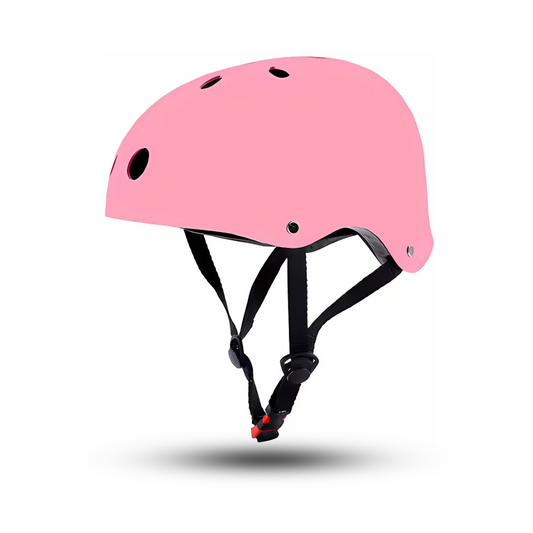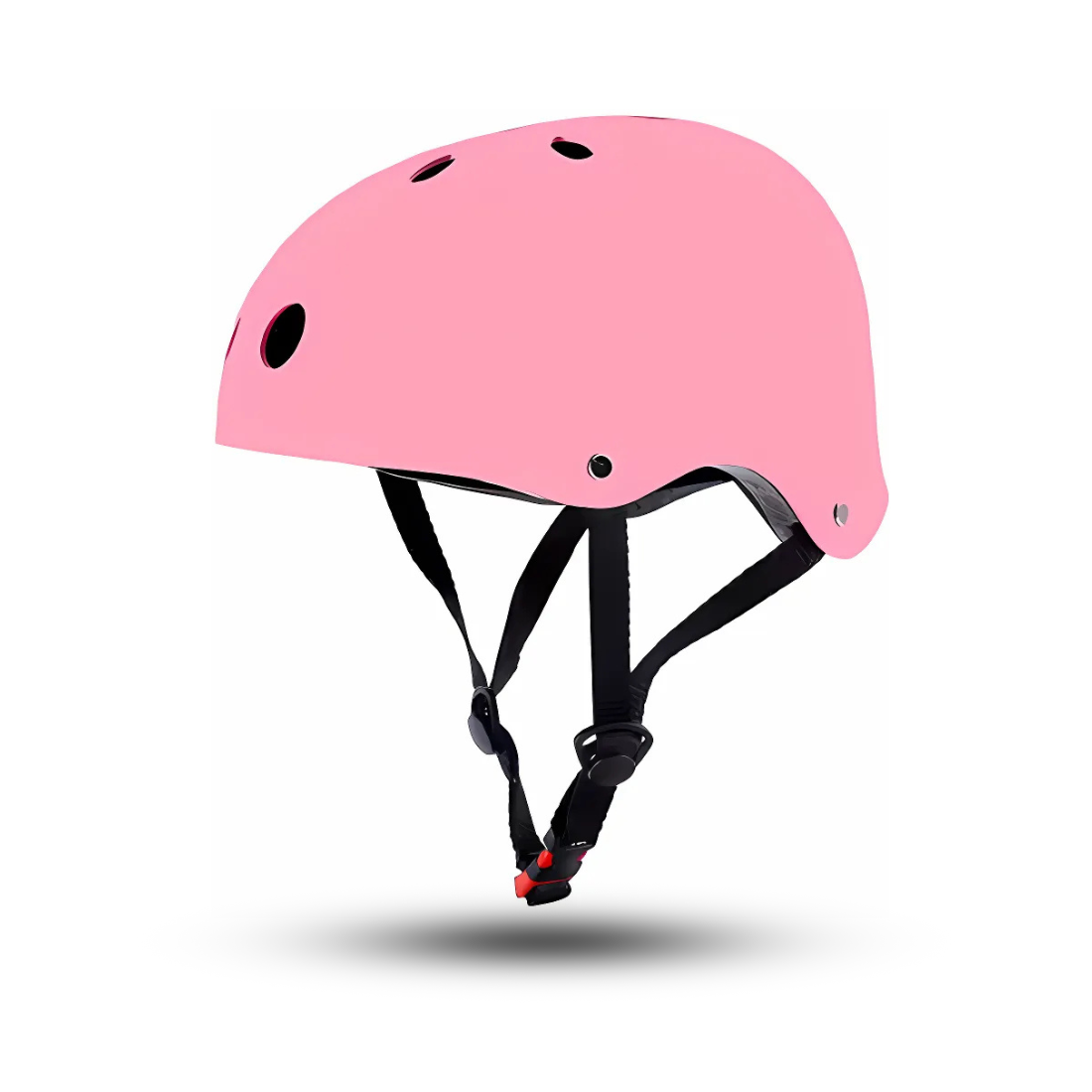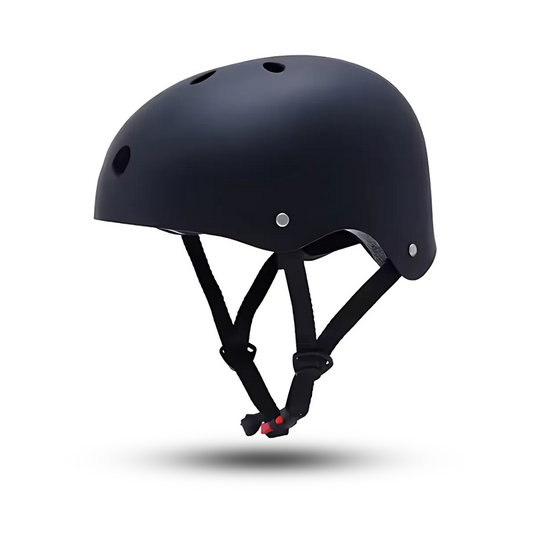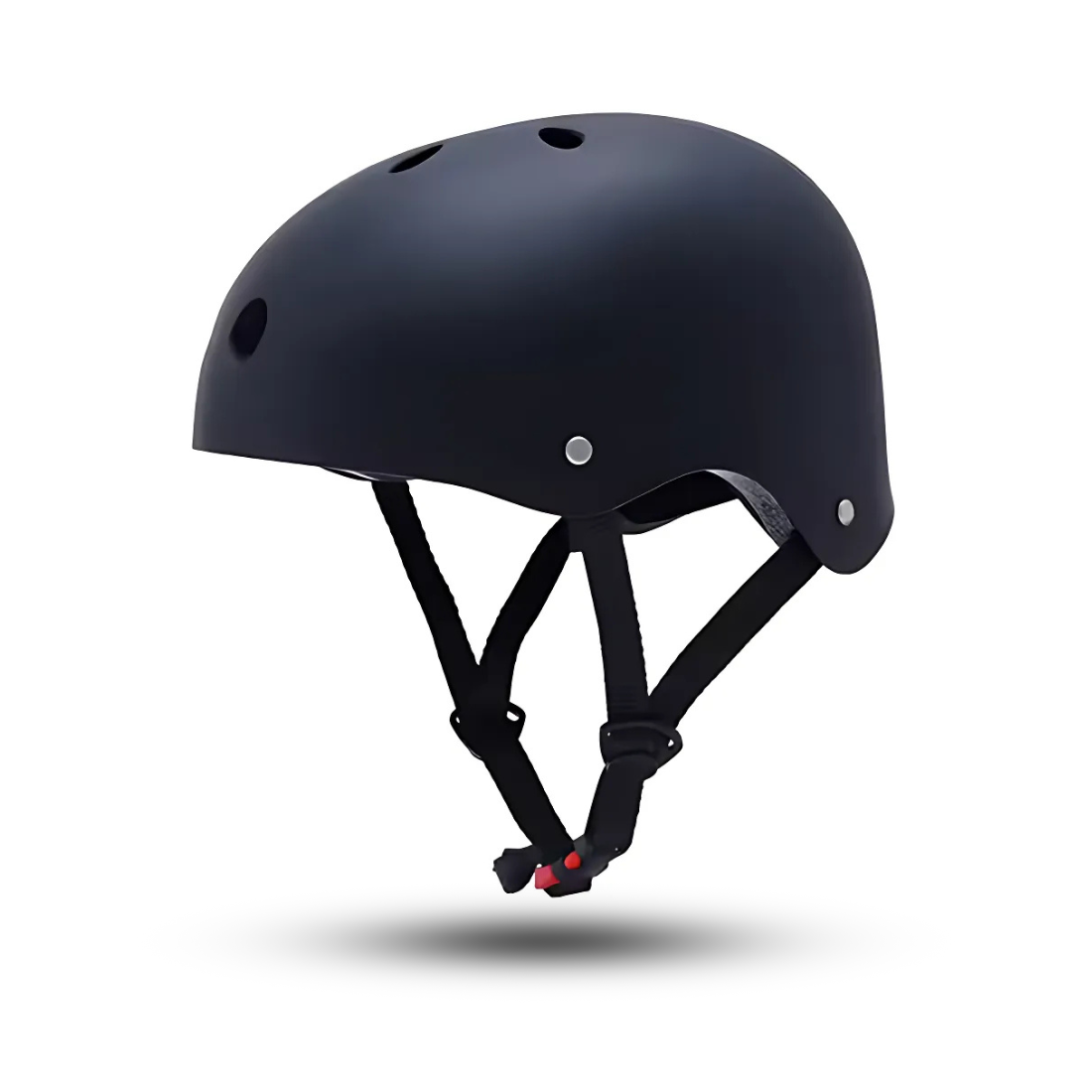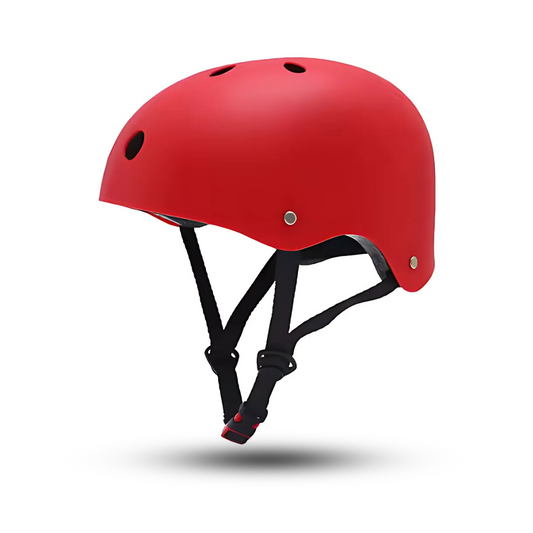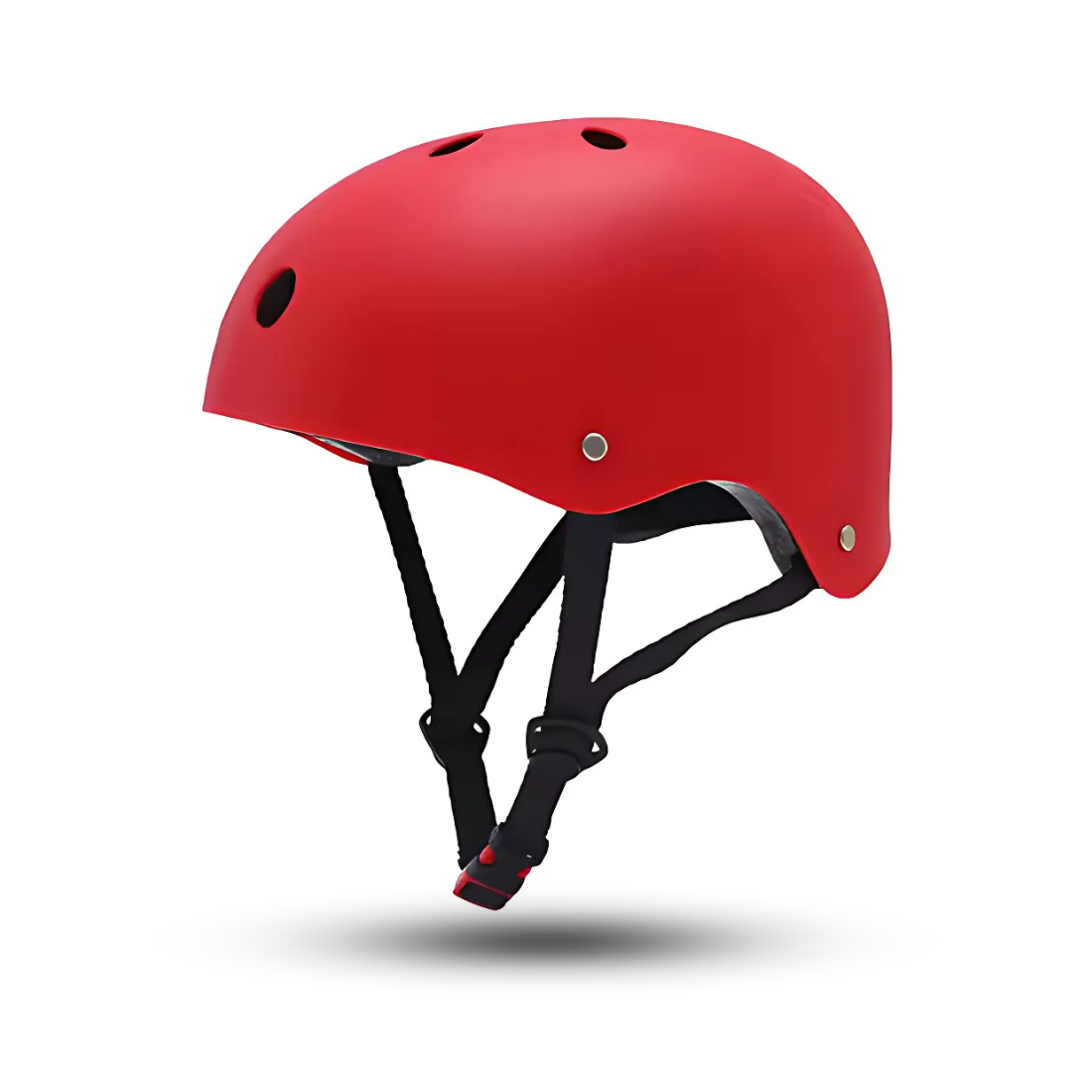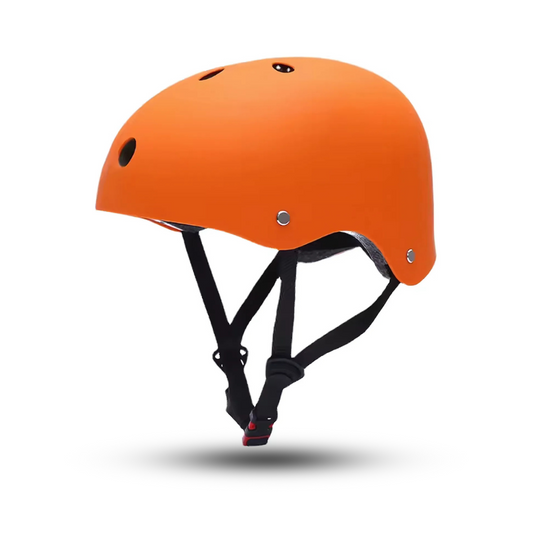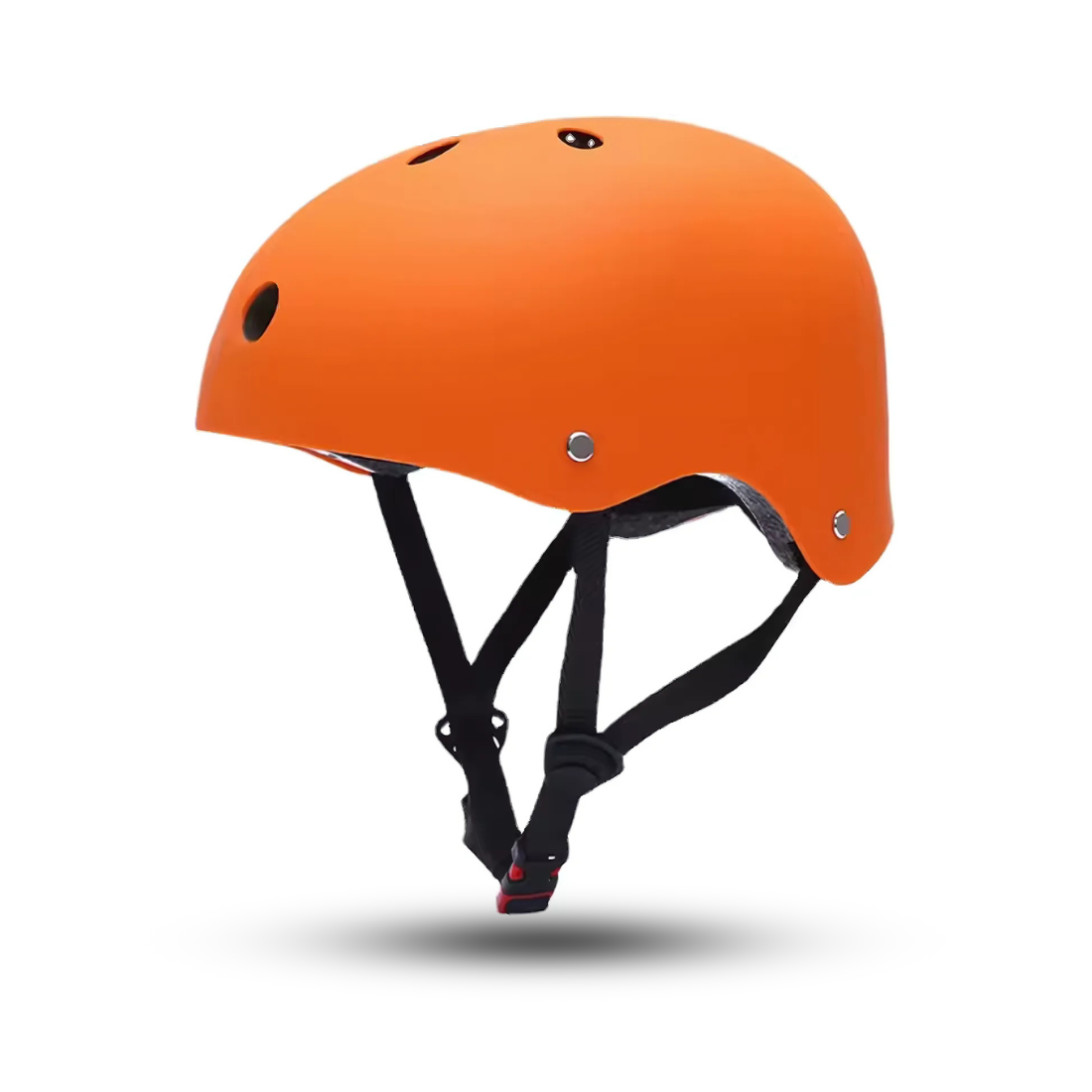

Choosing a helmet used to mean picking between whatever was on the shelf. These days, you've got foam technology, certification standards, built-in LED lights and a full rainbow of colours to navigate before you even get to sizing. Whether you're buying a bike helmet for your toddler, a skate helmet for your teenager or an LED helmet for your own daily commute, this guide covers everything you need to know.
1. Why Helmet Safety Matters
A helmet is the single most important piece of protective gear for any rider, whether they're on a bike, skateboard, scooter or hoverboard. Head injuries are the leading cause of serious injury and death in cycling and skating accidents, and a properly fitted, certified helmet dramatically reduces that risk.
But here's the thing: not all helmets are equal. A helmet that isn't certified to the right standard, doesn't fit correctly, or is designed for a different activity than you're using it for offers significantly less protection than one that ticks all three boxes. That's why understanding what to look for matters just as much as remembering to wear one.
2. Key Safety Features to Look For
EPS foam liner
Most modern helmets use expanded polystyrene (EPS) foam as the core impact-absorbing material. On impact, EPS compresses to absorb and redirect energy away from the skull. It's lightweight, effective and widely used across bike, skate and multi-sport helmets. The trade-off is that EPS is a single-impact material: once it's compressed, it needs replacing even if the outside looks undamaged.
MIPS (Multi-directional Impact Protection System)
MIPS is a low-friction layer inside the helmet that allows the helmet to rotate slightly on impact, reducing rotational forces transferred to the brain. Rotational force is one of the primary causes of concussion and brain injury in angled impacts, the kind that happen most often in real-world falls. Many newer bike helmets include MIPS as standard. If it's available within your budget, it's worth having.
Hard shell vs. soft shell
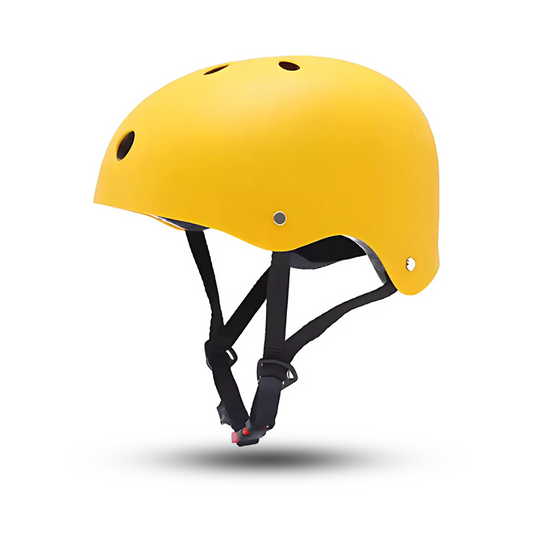
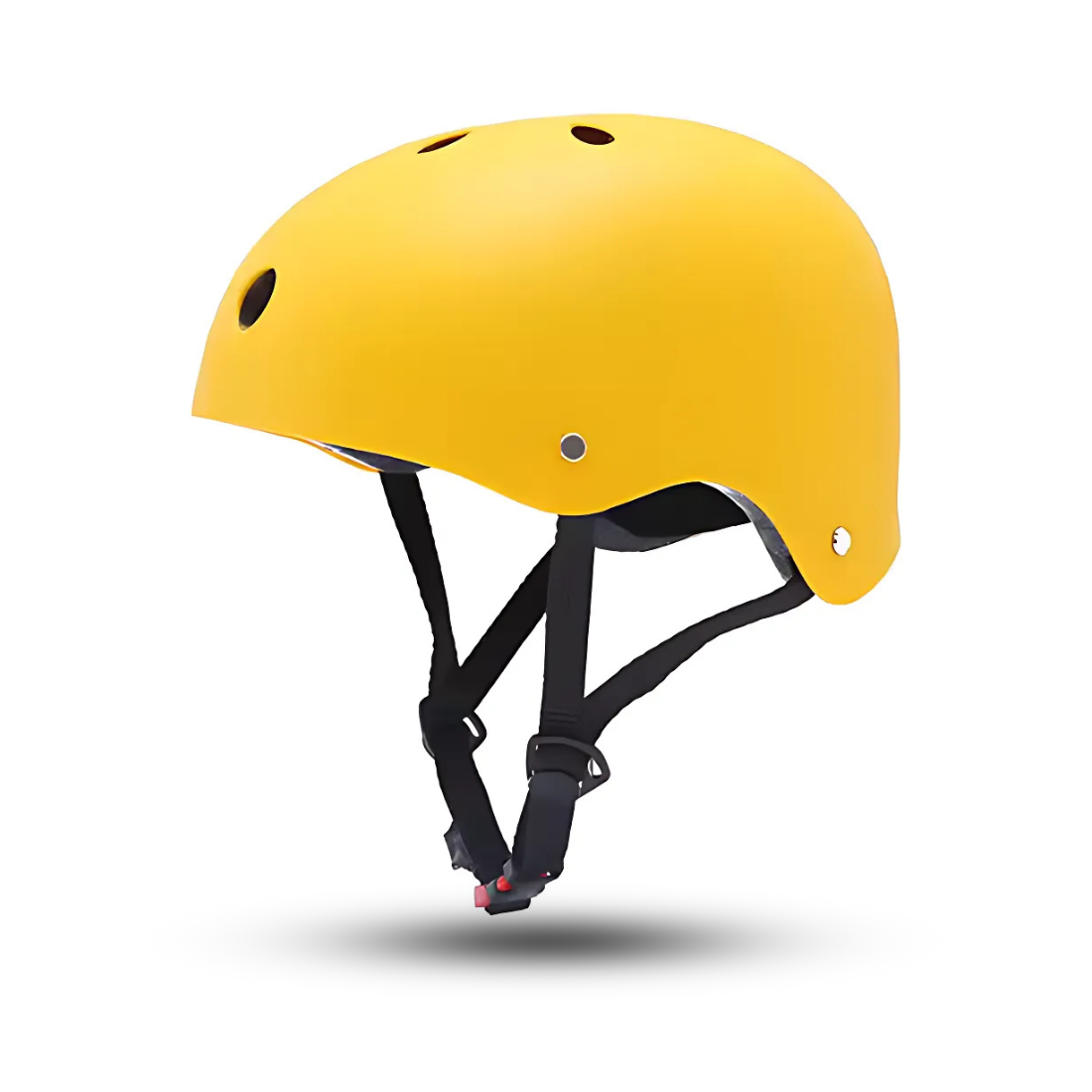
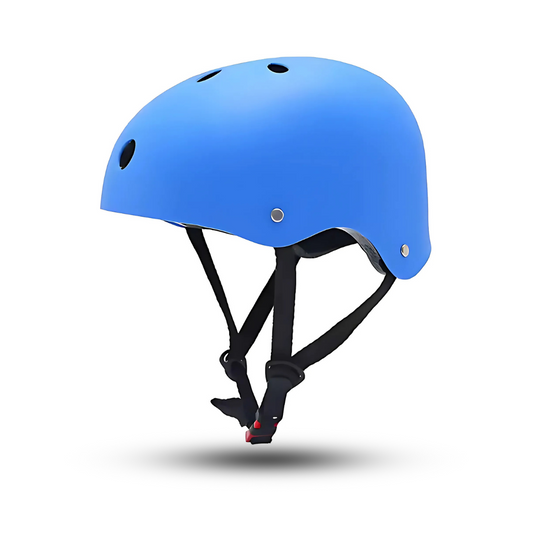
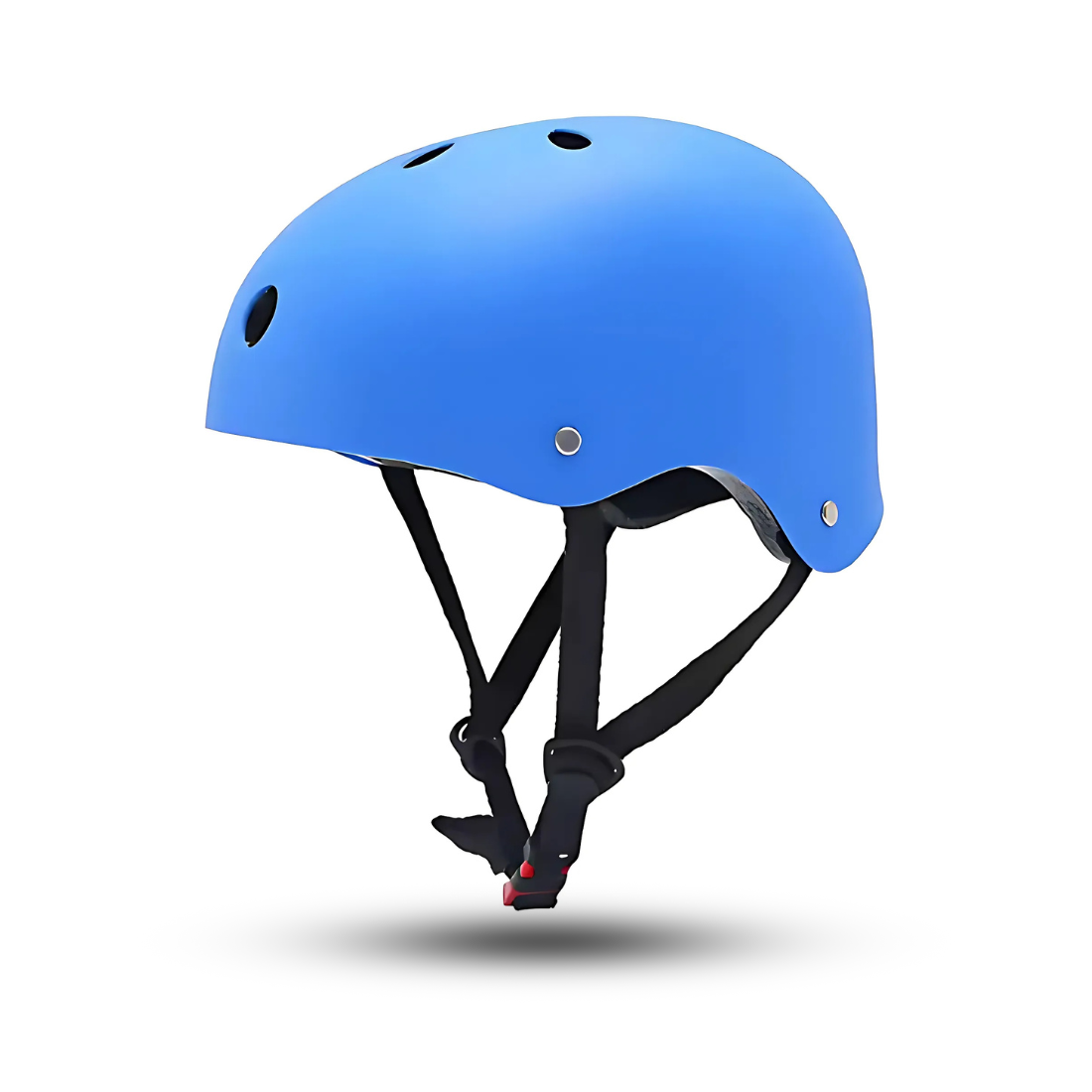
Skate helmets typically use a hard outer ABS plastic shell over EPS foam, designed to withstand multiple impacts, which is useful for the repeated low-level tumbles that come with learning tricks. Bike helmets often use a thinner micro-shell or in-mould construction that's lighter but designed for single high-impact events. Both are valid for their intended use—the key is not to cross them over.
Ventilation
More vents mean more airflow, which matters on warm Australian days. Road and commuter bike helmets typically have more ventilation than skate helmets, which prioritise impact resistance over airflow. LED and smart helmets balance ventilation with the added structure needed to house lighting systems.
Retention system
A dial-fit or BOA retention system at the back of the helmet allows precise adjustment for a secure fit. This matters especially for kids, whose heads grow quickly. A well-fitted helmet shouldn't wobble, shouldn't tip forward or back, and the chin strap should sit snugly with no more than two fingers' width of clearance.
3. Helmet Certifications Explained
Certifications are your guarantee that a helmet has been independently tested to minimum safety standards. In Australia, the key ones to know are:
AS/NZS 2063: the Australian and New Zealand standard for bicycle helmets. This is the standard required by law for cyclists in Australia. Any bike helmet sold for road or path use should meet this standard.
ASTM F1492: the American standard for skateboarding and trick helmets. Widely used as a benchmark for skate helmets sold in Australia.
CPSC: US Consumer Product Safety Commission standard for bicycle helmets. Common on imported helmets and accepted alongside AS/NZS 2063 in many contexts.
CE EN1078: European standard for bike and skate helmets. Also commonly seen on imported helmets.
The bottom line: always check that the helmet you're buying carries at least one recognised certification for the activity it's designed for. A helmet without any certification marking is a helmet that hasn't been independently tested.
4. Bike Helmets: What to Know
A bike helmet is designed to protect against a single high-energy impact — the kind that happens when a rider hits the ground or an object at speed. They're typically lighter and more ventilated than skate helmets, with a longer rear profile to protect the back of the head.
For kids, a well-fitting bike helmet that meets AS/NZS 2063 is non-negotiable for on-road and path riding. For adults, the same standard applies, and if you're commuting or riding at higher speeds, a helmet with MIPS adds meaningful additional protection.
Bike helmets are also the most colour-diverse category in our range. From classic black and white through to pink, blue, purple, green, orange and yellow—there's no reason a safe helmet can't also be a stylish one.
5. Skate Helmets: What to Know
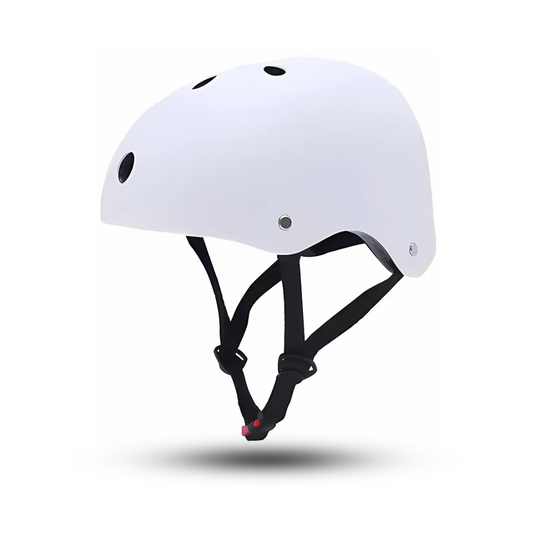
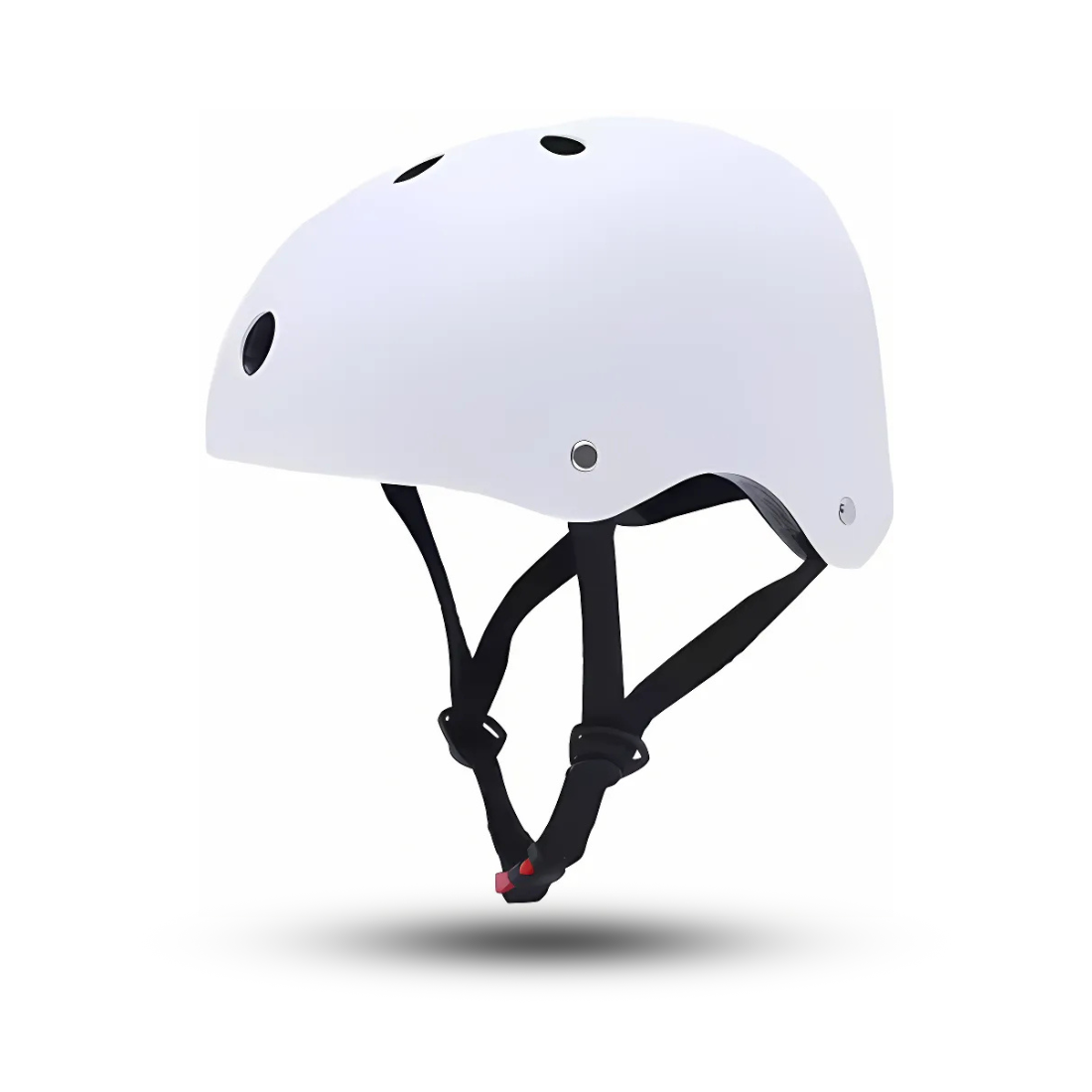
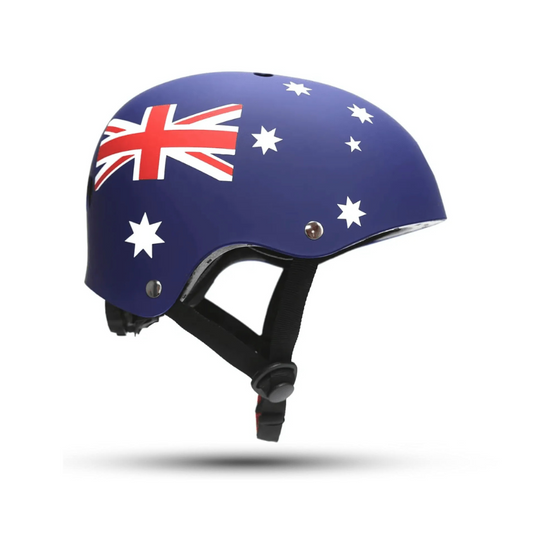
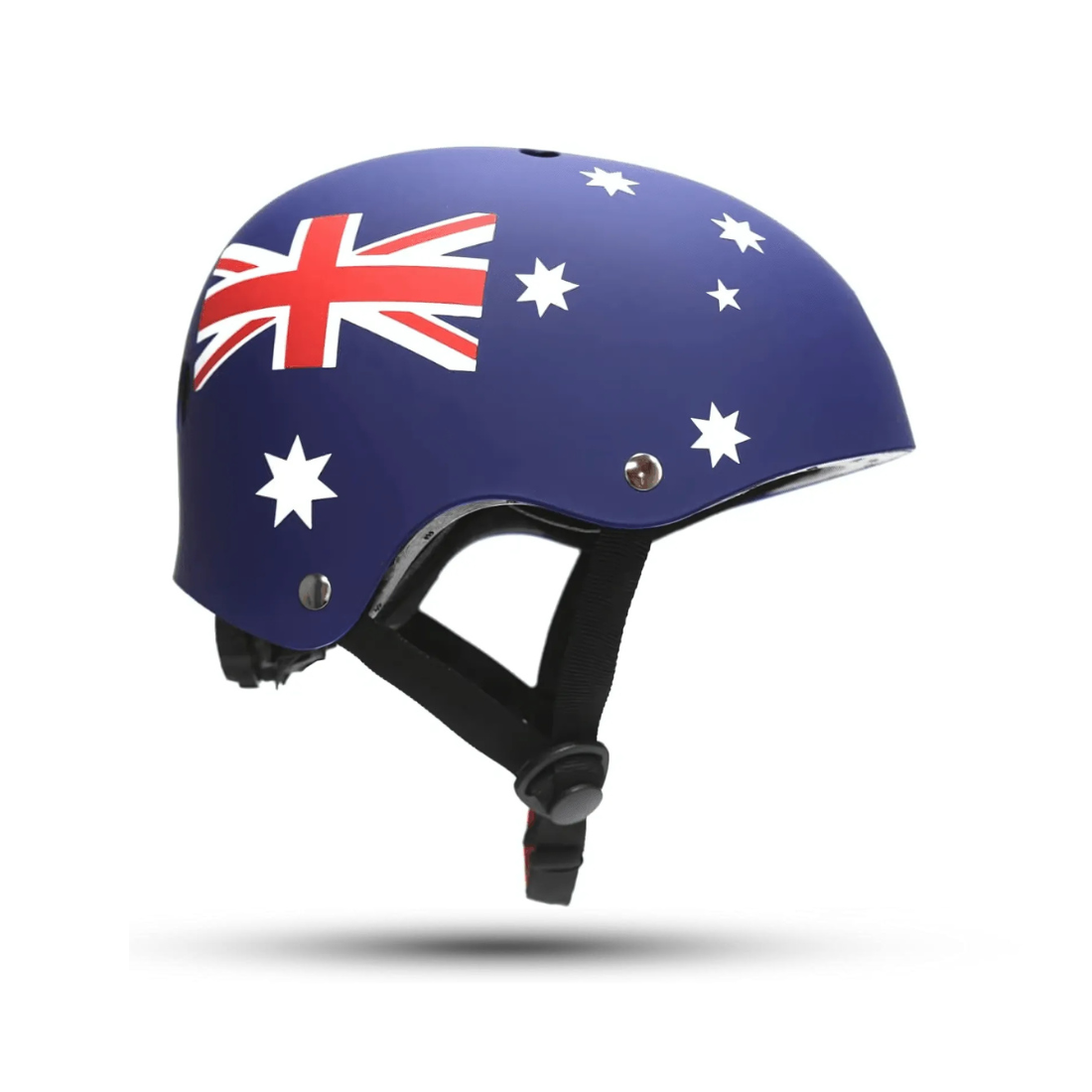
Skate helmets are built differently from bike helmets for good reason. Skaters, scooter riders and hoverboard users tend to fall more frequently but at lower speeds, often landing on the same part of the helmet repeatedly during a session. Skate helmets use a thicker EPS liner and hard ABS shell designed to handle multiple impacts without compromising protection.
A skate helmet also sits lower on the head and covers more of the skull than a typical road bike helmet, particularly the back and sides. This matters for falls where riders tend to go backwards.
Skate helmets are the go-to choice for:
- Skateboarding and trick scooters
- Hoverboard riding
- Roller skating and inline skating
- Beginner bike riders who fall frequently while learning
Our skate helmet range comes in a variety of colours and sizes for both kids and adults, with adjustable fit systems to grow with younger riders.
6. LED and Smart Helmets: What to Know
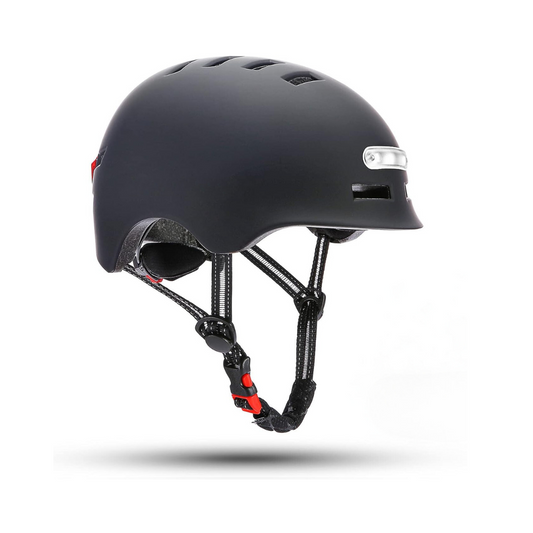
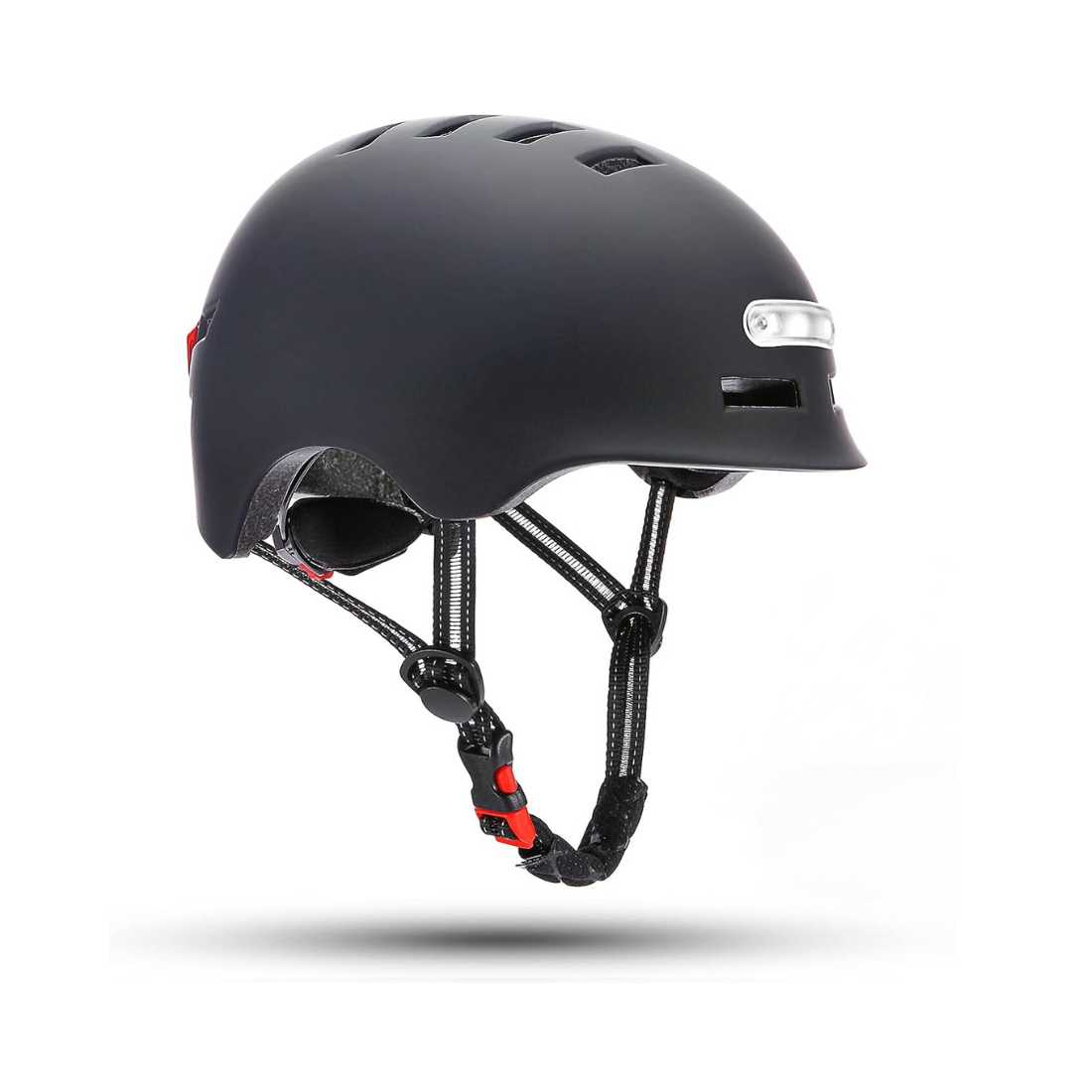
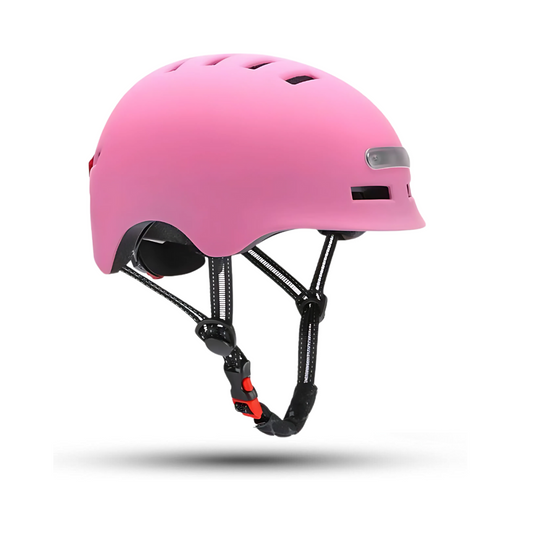
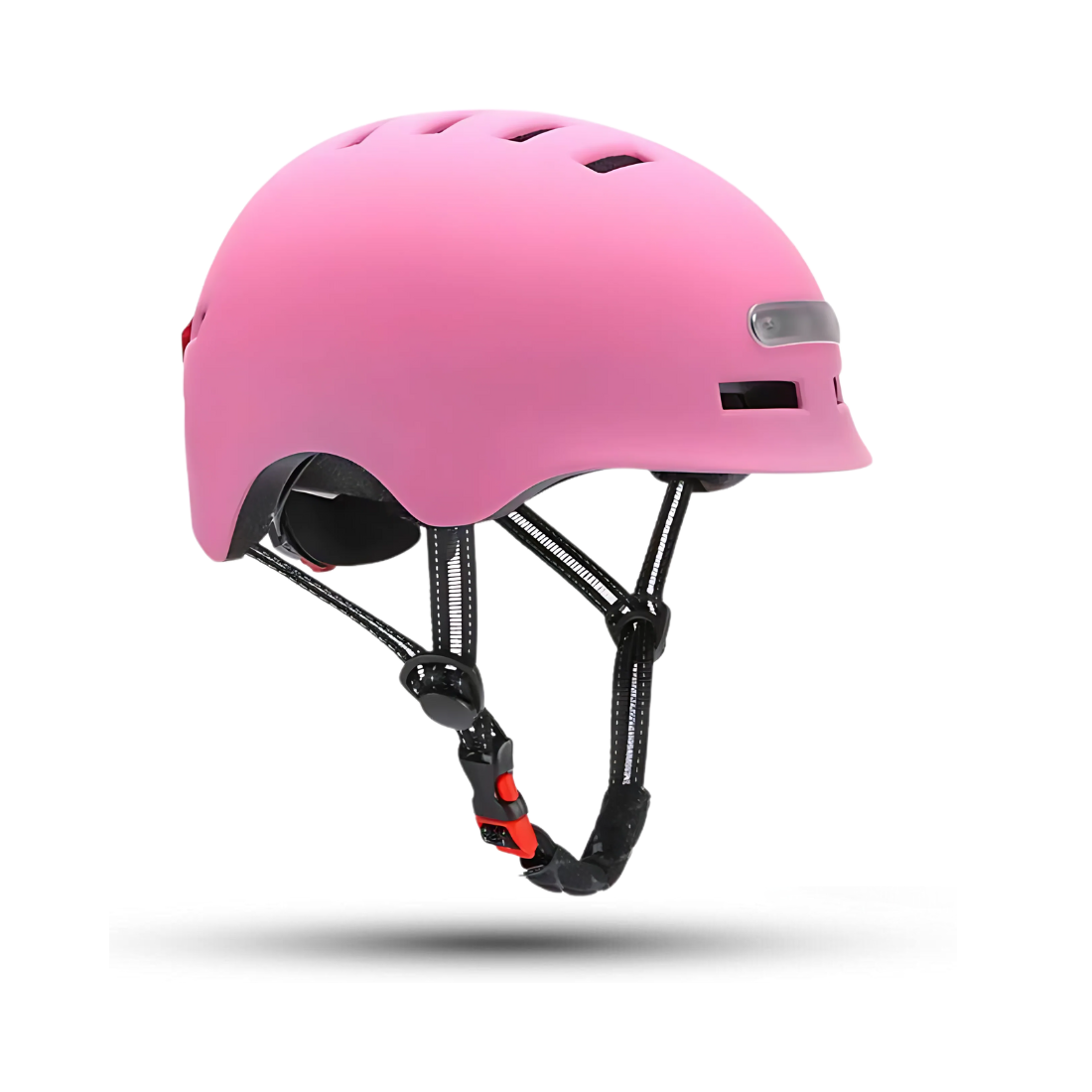
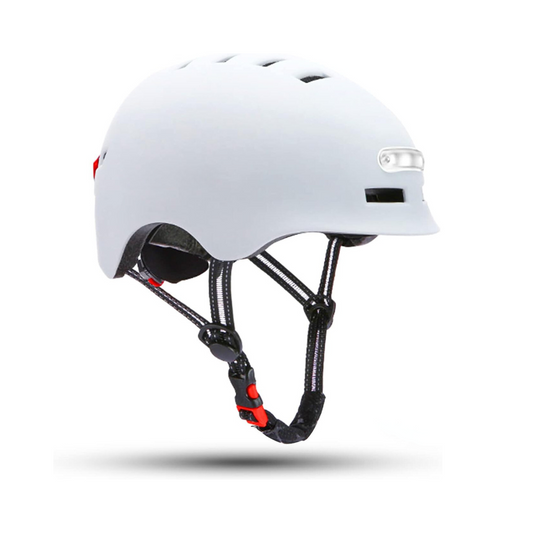
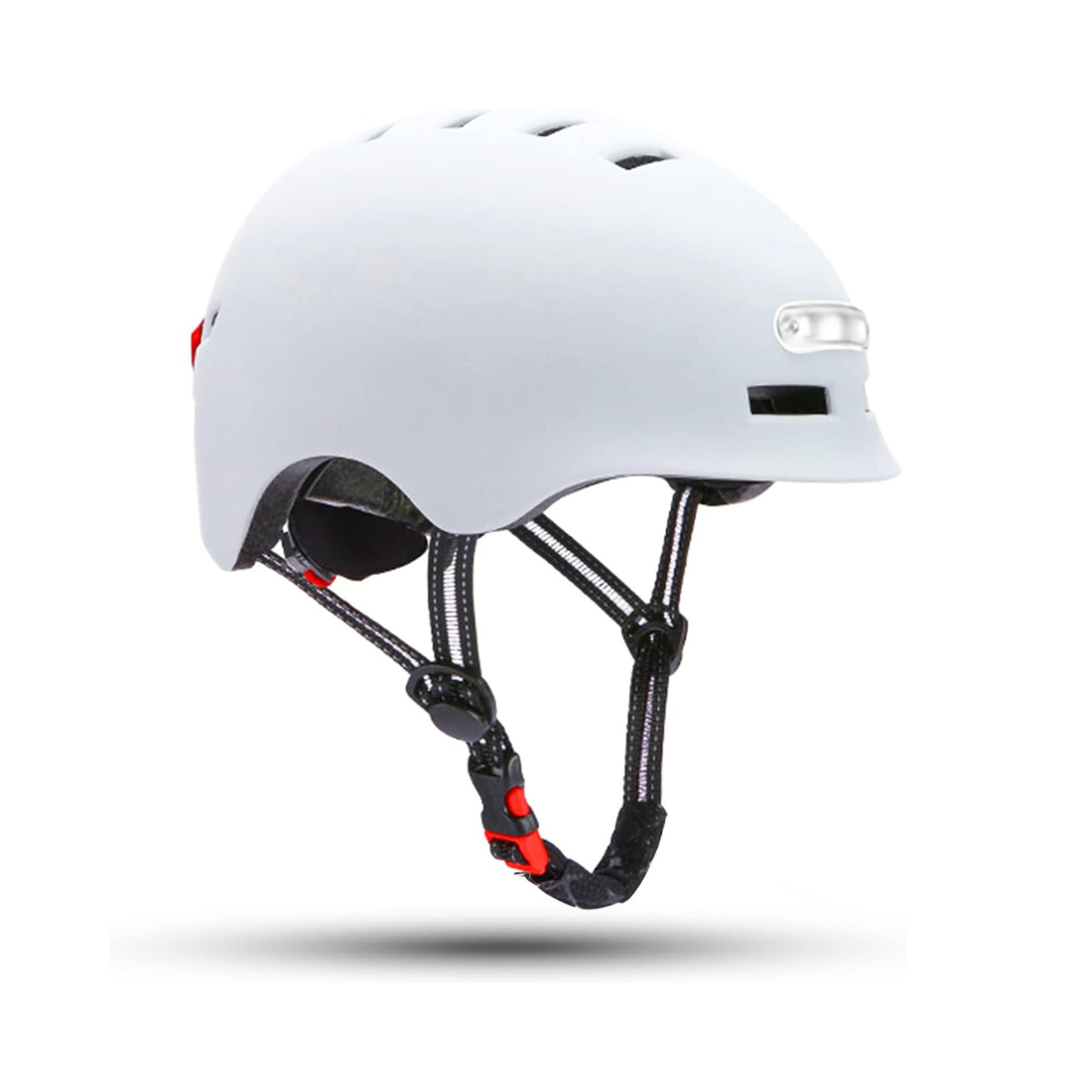
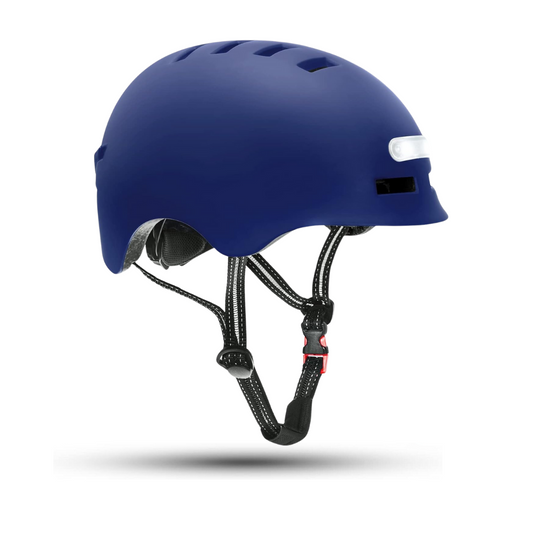
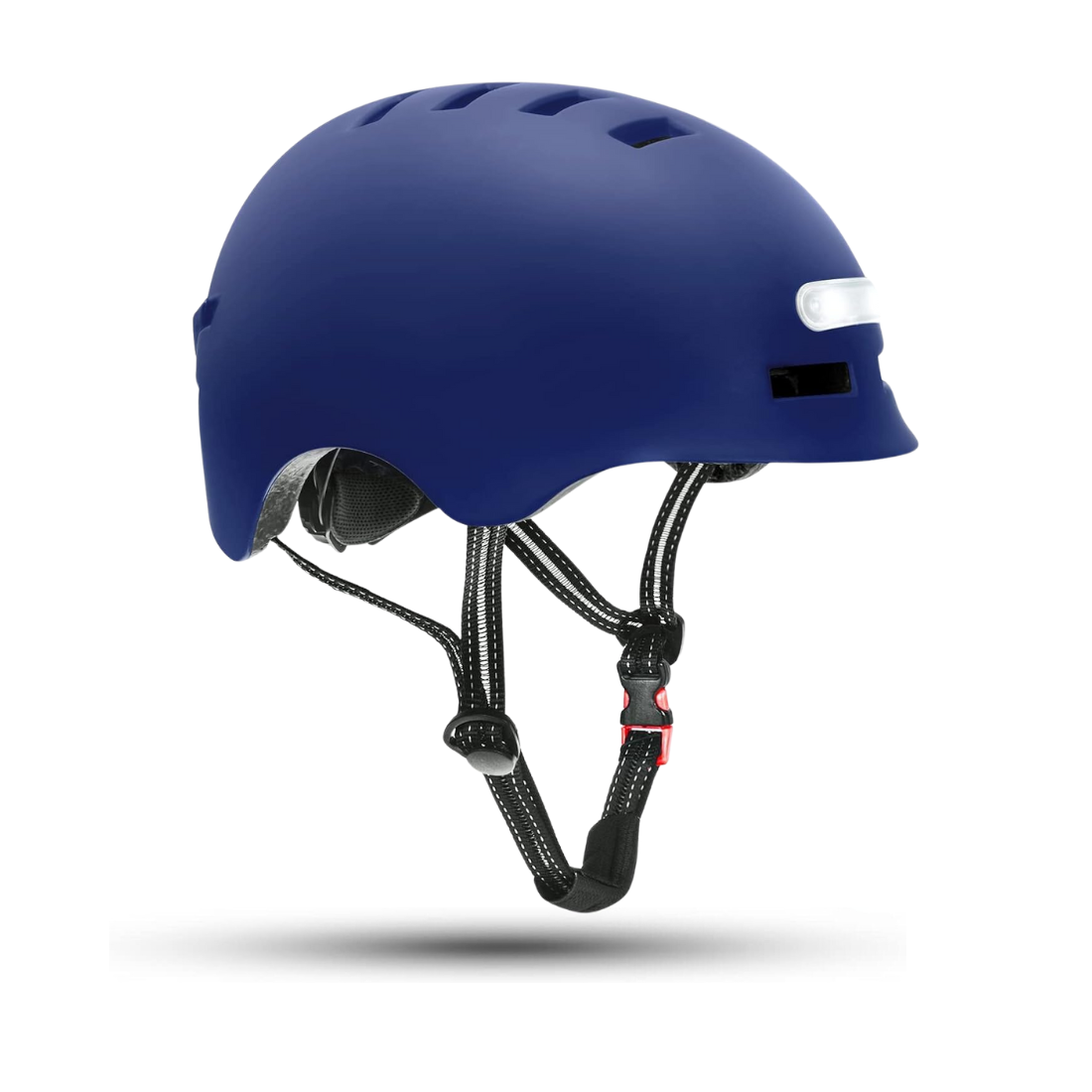
LED and smart helmets are one of the fastest-growing categories in protective gear, and for good reason. A helmet with built-in rear LED lighting dramatically improves visibility for commuters, scooter riders and cyclists sharing the road with traffic, particularly at dawn, dusk and night.
Our smart LED helmet range combines certified impact protection with integrated lighting systems that can be seen from a significant distance. They're particularly popular with:
- Electric scooter riders
- Urban commuters
- Older kids and teenagers who ride to school
Beyond safety, LED helmets have become a style statement in their own right. The clean, modern aesthetic—available in black, pink and other colours—makes them popular with adults who want protection without the look of a traditional cycling helmet.
When shopping for an LED helmet, check that the lighting system is rechargeable via USB, that the helmet itself carries a recognised safety certification, and that the light is bright enough to be visible in daylight as well as at night.
7. Kids Helmets: Fit, Safety and Fun
Kids are harder on helmets than adults, and they're also harder to convince to wear them. The good news is that modern kids' helmets solve both problems: they're tougher, better fitted and far more fun than they used to be.
Getting the fit right
A kids' helmet should sit level on the head, about two finger-widths above the eyebrows. The straps should form a V shape just below each ear, and the chin strap should be snug but comfortable. Most kids' helmets include an adjustable dial at the back that lets you fine-tune the fit as they grow/ This is one of the most useful features for parents who'd rather not buy a new helmet every six months.
Safety first, always
For kids riding bikes on Australian roads or paths, AS/NZS 2063 certification is legally required. For skate and scooter use, ASTM F1492 or CE EN1078 certification provides the appropriate level of protection.
Making it fun
Kids are far more likely to wear a helmet they actually like. That's why colour and style matter — not just aesthetics. A child who picks their own pink crash helmet, blue bike helmet or orange kids' helmet is a child who'll reach for it without being asked. Our kids' helmet range covers a wide spectrum of colours precisely for this reason.
8. Choosing a Helmet Colour
Helmet colour is a genuine safety consideration, not just a style choice. High-visibility colours—yellow, orange, white and bright pink—are easier for drivers, pedestrians and other riders to spot, particularly in low-light conditions. That said, darker colours like black and navy are popular for a reason: they look sharp, hide scuffs, and suit riders who prefer a sleeker aesthetic.
Here's a quick breakdown of our most popular helmet colours and who tends to choose them:
Pink helmets: our most popular colour across both kids and adults. Pink bike helmets and pink crash helmets are consistently in demand, particularly for girls and women who want a helmet that reflects their personality. We stock pink in kids' sizes and adult LED styles.
Blue helmets: a perennial favourite for kids, particularly boys. Blue bike helmets and blue skate helmets are versatile enough to match most riding gear.
Orange helmets: a high-visibility choice that's also genuinely fun. Orange kids' helmets stand out on the road and at the skate park.
White helmets: clean, modern and highly visible. White bike helmets and white cycling helmets are popular with commuters and road riders who want a classic look with good daytime visibility.
Black helmets: the sleek all-rounder. Black skate helmets and black bike helmets suit any age and any riding style. A matte black finish is particularly popular with older kids and adults.
Purple helmets: a standout choice for kids and adults who want something a little different. Purple crash helmets and purple bike helmets are less common, which makes them more distinctive.
Green helmets: another high-visibility option with a fresh, outdoorsy feel. Green bike helmets suit trail riders and recreational cyclists.
Yellow helmets: maximum visibility. Yellow bike helmets are the choice for riders who prioritise being seen above everything else.
9. How to Get the Right Fit
A helmet that doesn't fit correctly won't protect you properly — even if it's fully certified. Here's how to get it right:
Measure your head
Use a soft tape measure to measure the circumference of your head about 2.5cm above your eyebrows: this is the widest part of your skull. Match this measurement to the size guide for the specific helmet you're buying. Sizes vary between brands and styles.
The two-finger test
The helmet should sit level on your head with two finger-widths of space between the front edge and your eyebrows. If it tips back or forward, adjust the rear retention dial first, then check that you have the right size.
The strap check
Buckle the chin strap and open your mouth wide. You should feel the helmet press down slightly. If it doesn't, the straps need tightening. The strap should sit flat under the chin, not twisted, and the two sides should meet in a V just below each ear.
The shake test
With the chin strap done up, shake your head firmly from side to side and up and down. The helmet should stay firmly in place. Any wobble means it's too large or the retention system needs further adjustment.
Replace after impact
Even if a helmet looks undamaged after a significant fall, the EPS liner may have compressed and lost its protective capacity. When in doubt, replace it. Most manufacturers recommend replacing helmets every three to five years regardless of impact, as the foam degrades over time.
10. Shop Our Helmet Range at AHA Superstore
All helmets in the AHA Superstore range carry recognised safety certifications and are available in a wide range of colours and sizes for kids and adults.
Bike Helmets
Skate Helmets
LED & Smart Helmets
All Helmets
Note: Helmet certification requirements may vary by state and activity. Always check your local road rules and ensure your helmet meets the required standard for your riding activity. AHA Superstore recommends replacing helmets after any significant impact and every three to five years as part of regular safety maintenance.