
The Ultimate Guide to Choosing a Kids Helmet
Getting your child into the habit of wearing a helmet is one of the best things you can do for their safety. But with so many options — bike helmets, skate helmets, toddler helmets, kids motorbike helmets — knowing where to start can feel overwhelming. This guide walks you through everything parents need to know to find the right kids helmet: the right type, the right size, the right fit and yes, the right colour.
1. Why Kids Need a Proper Helmet
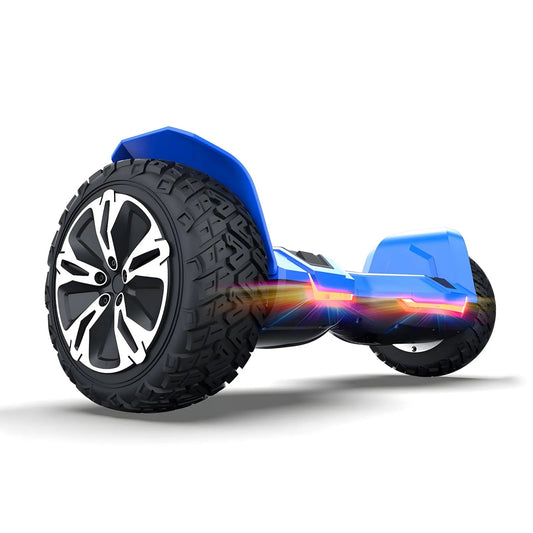
Head injuries are the most serious and most preventable injury associated with cycling, skating, scooting and hoverboard riding. A properly fitted, certified kids helmet reduces the risk of serious head injury by more than 85% in the event of a fall or collision — making it the single most important piece of gear your child owns.
In Australia, wearing a helmet is legally required for kids riding bikes on roads and shared paths. But beyond the legal requirement, a good helmet is simply smart parenting. Kids fall. A lot. Especially when they're learning. The right helmet means those falls stay as bumps and bruises rather than something more serious.
The key word is proper. A helmet that doesn't fit correctly, isn't certified for the activity, or has been damaged in a previous impact offers far less protection than you might expect. This guide will help you avoid those pitfalls.
2. Types of Kids Helmets
Not all kids helmets are designed the same way — and the right type depends on what your child is doing.
Kids bike helmets are designed for cycling on roads, paths and bike tracks. They're lightweight and well-ventilated, with a longer rear profile to protect the back of the head. Required by law for on-road cycling in Australia.
Kids skate helmets are built for repeated low-impact falls — the kind that happen constantly when kids are learning to skate, scoot or ride a hoverboard. They sit lower on the head and cover more of the skull than a bike helmet, with a thicker liner designed to withstand multiple impacts.
Kids motocross and dirt bike helmets provide full-face protection for off-road riding. These are a separate category with their own certification requirements.
Toddler helmets are sized and designed for younger children — typically ages 1 to 3 — with a rounder profile, softer padding and gentler strap systems suited to smaller heads and shorter attention spans.
Multi-sport helmets are certified for both cycling and skating, making them a practical choice for kids who do a bit of everything.
At AHA Superstore, our kids helmet range covers bike and skate styles across three sizes, suitable for toddlers through to older children.
3. Hardshell vs. Softshell: What's the Difference?
You'll hear both terms when shopping for kids helmets. Here's what they mean:
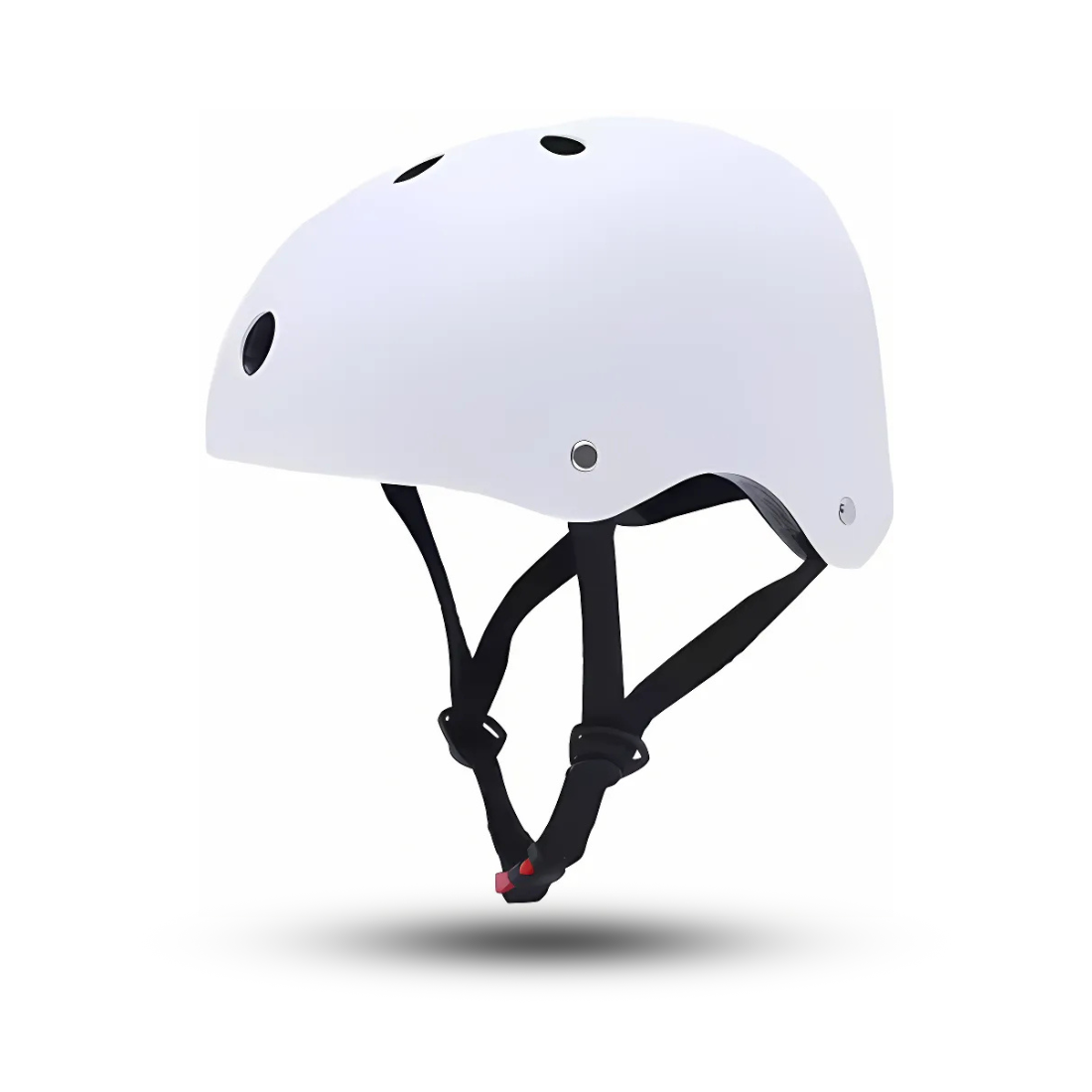
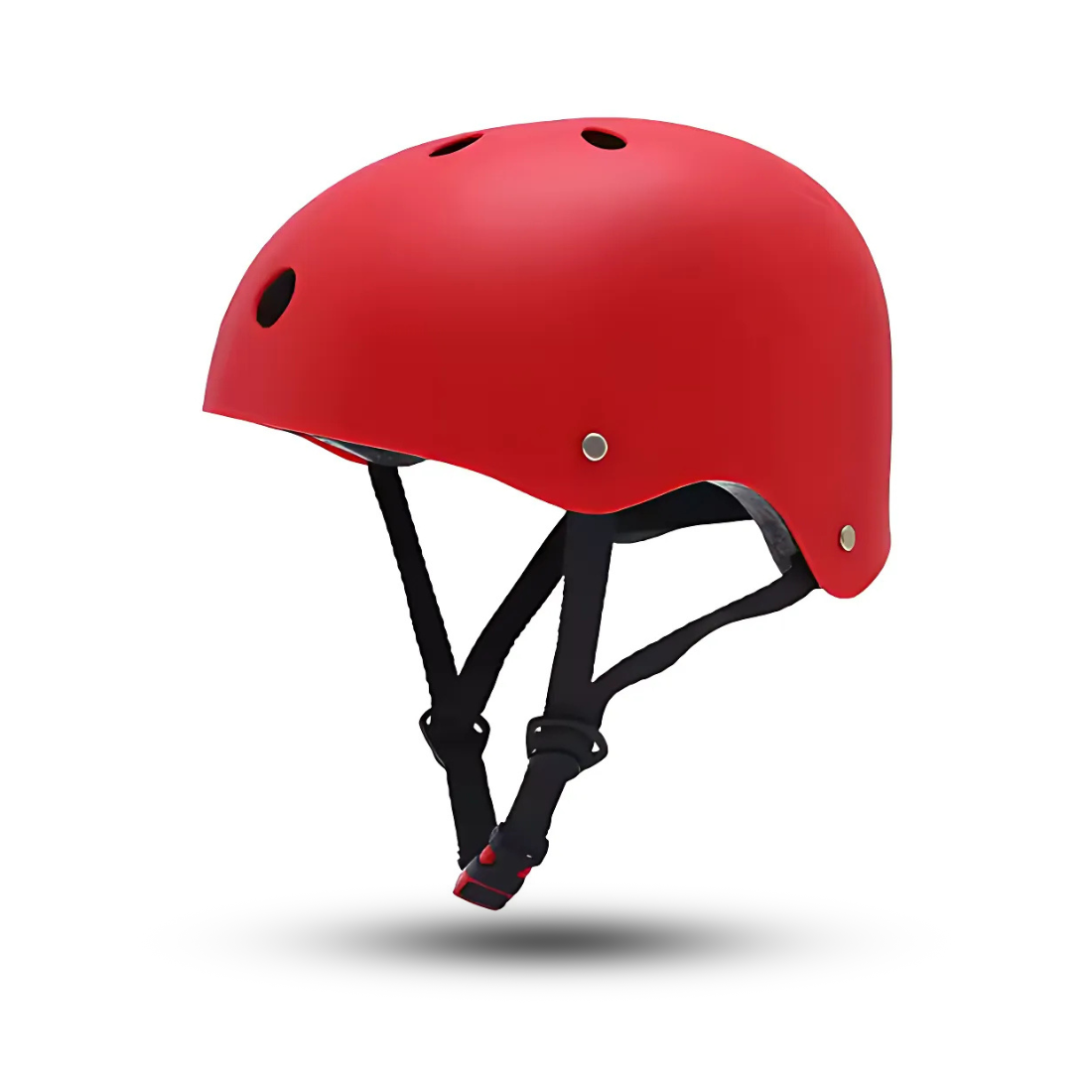
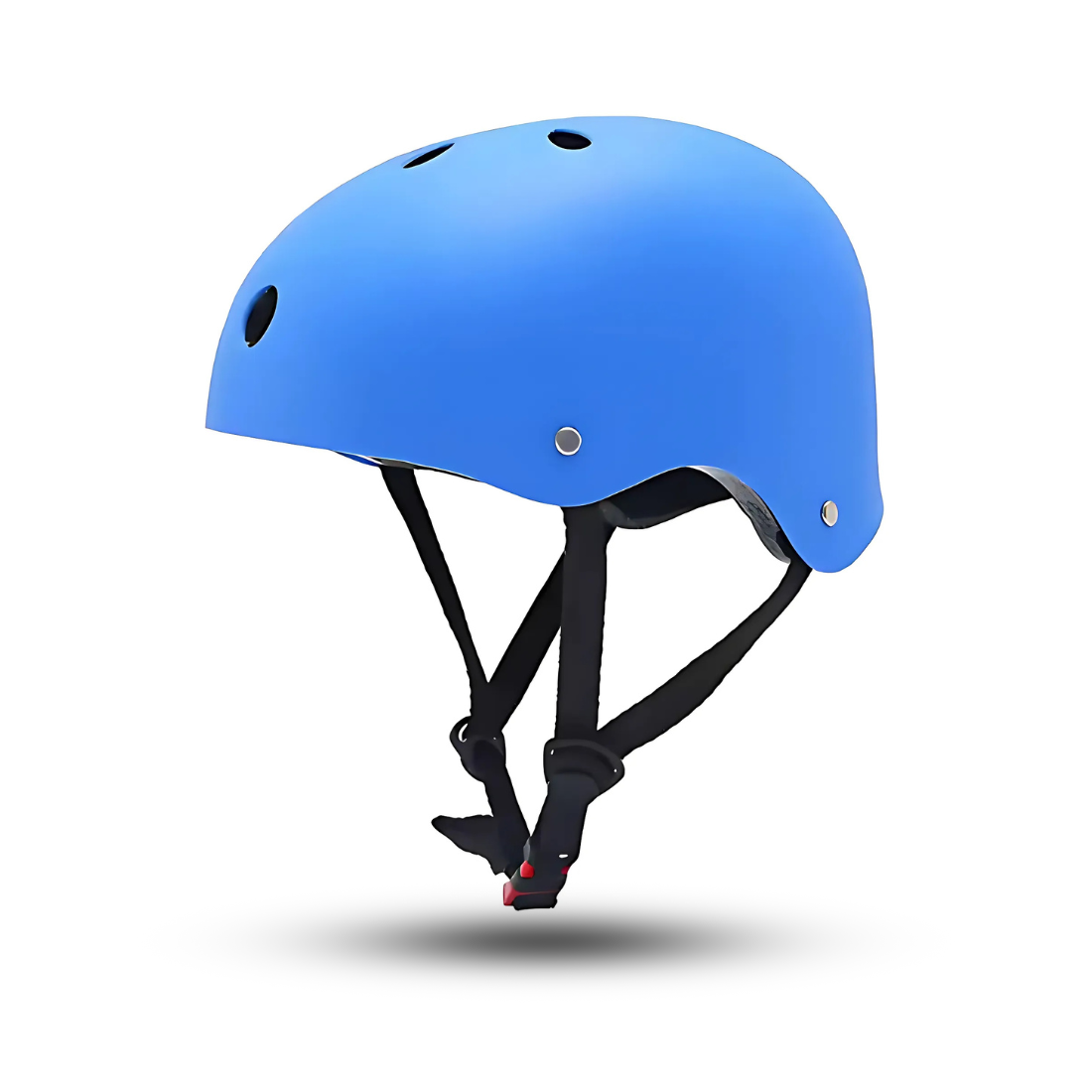
Hardshell helmets have a rigid outer ABS plastic shell bonded over an EPS foam liner. The hard shell distributes impact force across a wider area and protects the foam from everyday knocks and scuffs. Hardshell helmets are the standard for skate-style kids helmets and are particularly well suited to active kids who are rough on their gear. They're also better at handling multiple lower-impact falls — exactly the kind kids have most often.
Softshell or in-mould helmets have a thinner polycarbonate shell that is moulded directly onto the EPS foam during manufacturing. This creates a lighter, more ventilated helmet that's ideal for cycling. In-mould construction is common in road and commuter bike helmets.
For most kids — particularly those who skate, scoot or ride hoverboards alongside cycling — a hardshell kids helmet is the more practical choice. It handles the variety of falls kids have, looks great for longer, and tends to be more durable under the kind of treatment children give their gear.
4. Kids Helmet Sizes: Getting the Fit Right
A kids helmet that doesn't fit correctly won't protect your child's head effectively — no matter how well it's made. Getting the size right is the most important step in the buying process.
How to measure
Use a soft tape measure to measure the circumference of your child's head approximately 2.5cm above their eyebrows — this is the widest point of the skull. Write down the measurement in centimetres and match it to the sizing chart for the specific helmet you're buying.
Our kids helmets are available in three sizes to cover the full range from toddlers through to older children and early teens. If your child is between sizes, size up and use the adjustable retention dial to fine-tune the fit.
The fit checklist
Once the helmet is on, run through these checks before you buy:
- The helmet sits level on the head, approximately two finger-widths above the eyebrows
- It doesn't rock forward, backward or side to side
- The straps form a V shape just below each ear
- The chin strap is snug — you should only be able to fit one or two fingers between the strap and chin
- When your child opens their mouth wide, they should feel the helmet press down slightly
The shake test
With the chin strap buckled, ask your child to shake their head firmly. The helmet should stay firmly in place. Any significant movement means it's either too large or the retention system needs adjustment.
5. Safety Certifications for Kids Helmets
Certification is your guarantee that a kids helmet has been independently tested against a recognised safety standard. Always check for at least one of the following:
AS/NZS 2063 — the Australian and New Zealand bicycle helmet standard. Legally required for kids cycling on Australian roads and paths. This is the most important certification to look for when buying a kids bike helmet in Australia.
ASTM F1492 — the American standard for skateboarding helmets. The benchmark certification for kids skate helmets.
CE EN1078 — the European standard for bike and skate helmets. Widely accepted in Australia and commonly seen on quality imported helmets.
CPSC — US Consumer Product Safety Commission standard for bicycle helmets. Also commonly seen alongside AS/NZS 2063 on imported bike helmets.
Avoid any kids helmet that carries no certification markings. A helmet without independent testing has no verified safety rating — regardless of what the packaging claims.
6. Adjustable Features to Look For
Kids' heads grow fast. A helmet with good adjustability will last longer and perform better through that growth.
Rear retention dial — a dial or twist mechanism at the back of the helmet that tightens or loosens the inner cradle for a precise fit. This is the single most useful adjustability feature in a kids helmet. It allows you to fine-tune the fit as your child grows without needing to buy a new helmet.
Adjustable chin straps — straps that can be lengthened or shortened at the adjustment points below each ear to achieve that V-shape position and the correct chin clearance.
Removable padding — some helmets include removable inner padding that can be swapped for thicker or thinner pads to customise the fit. Useful for kids whose heads fall between standard sizes.
Ventilation — more vents mean better airflow, which matters in the Australian climate. A well-ventilated kids helmet is a helmet your child will actually keep on rather than pulling off the moment they get warm.
7. Choosing a Colour Your Child Will Love
Here's a parenting truth: a child who likes their helmet is a child who wears their helmet. Colour and style aren't trivial — they're the difference between a helmet that lives on your child's head and one that lives in the garage.
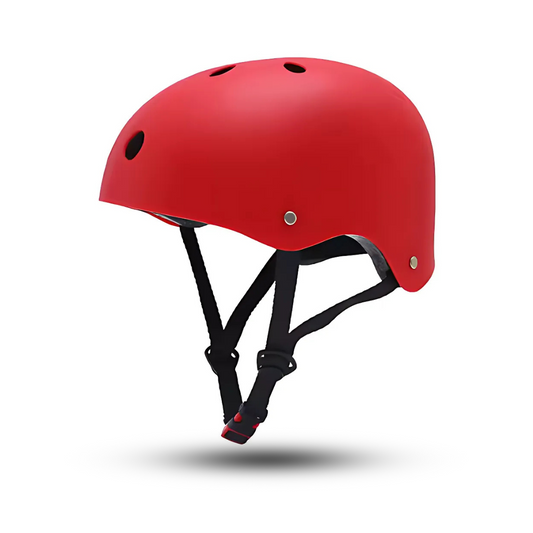
Our kids helmets come in 8 colours, covering the full spectrum from bold and bright to classic and understated. Here's how to think about colour choice:
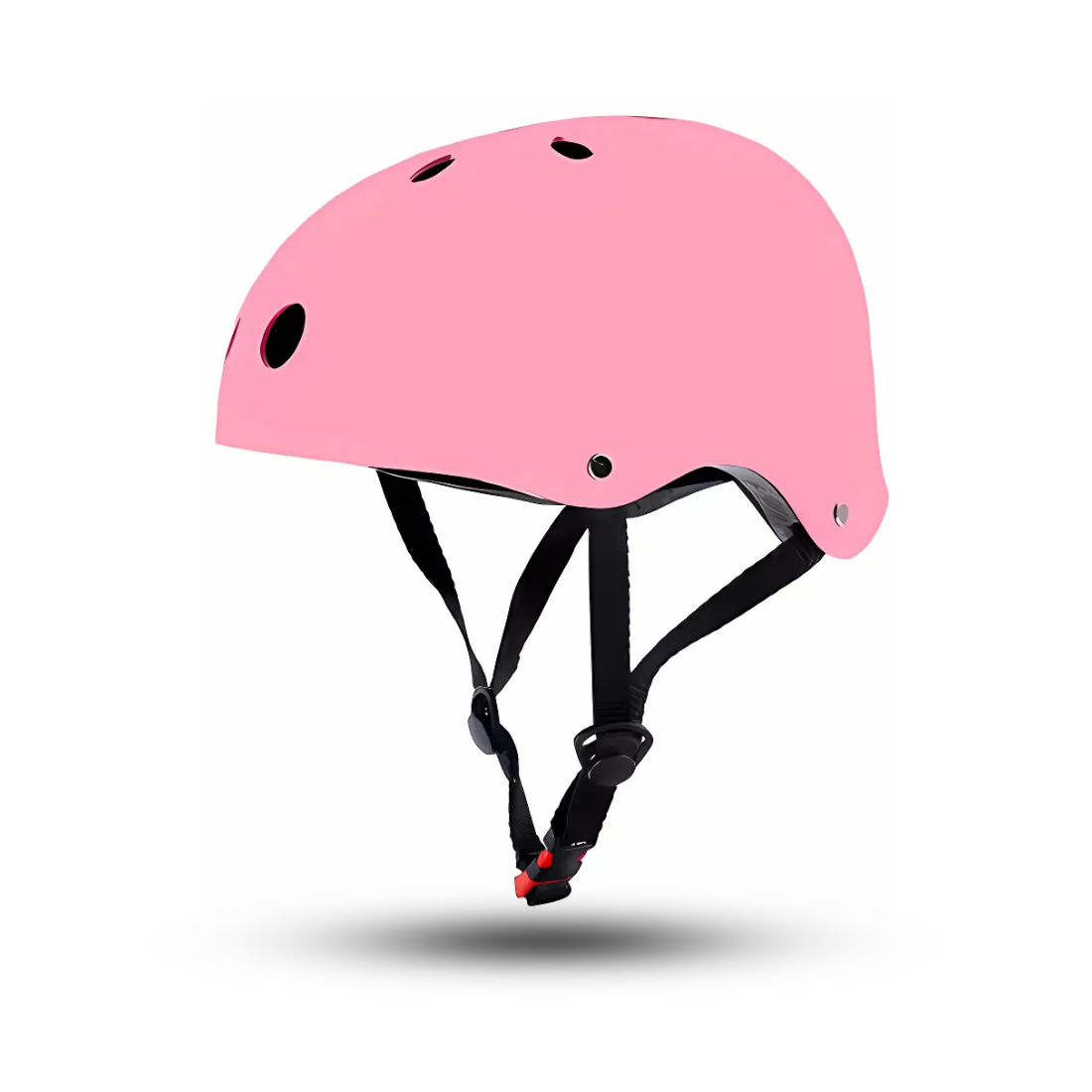
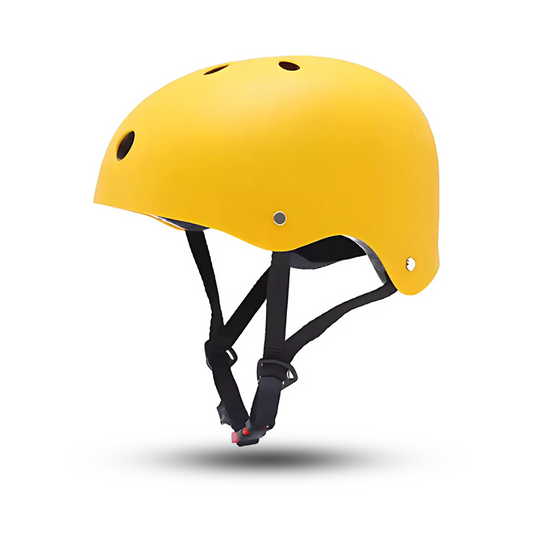
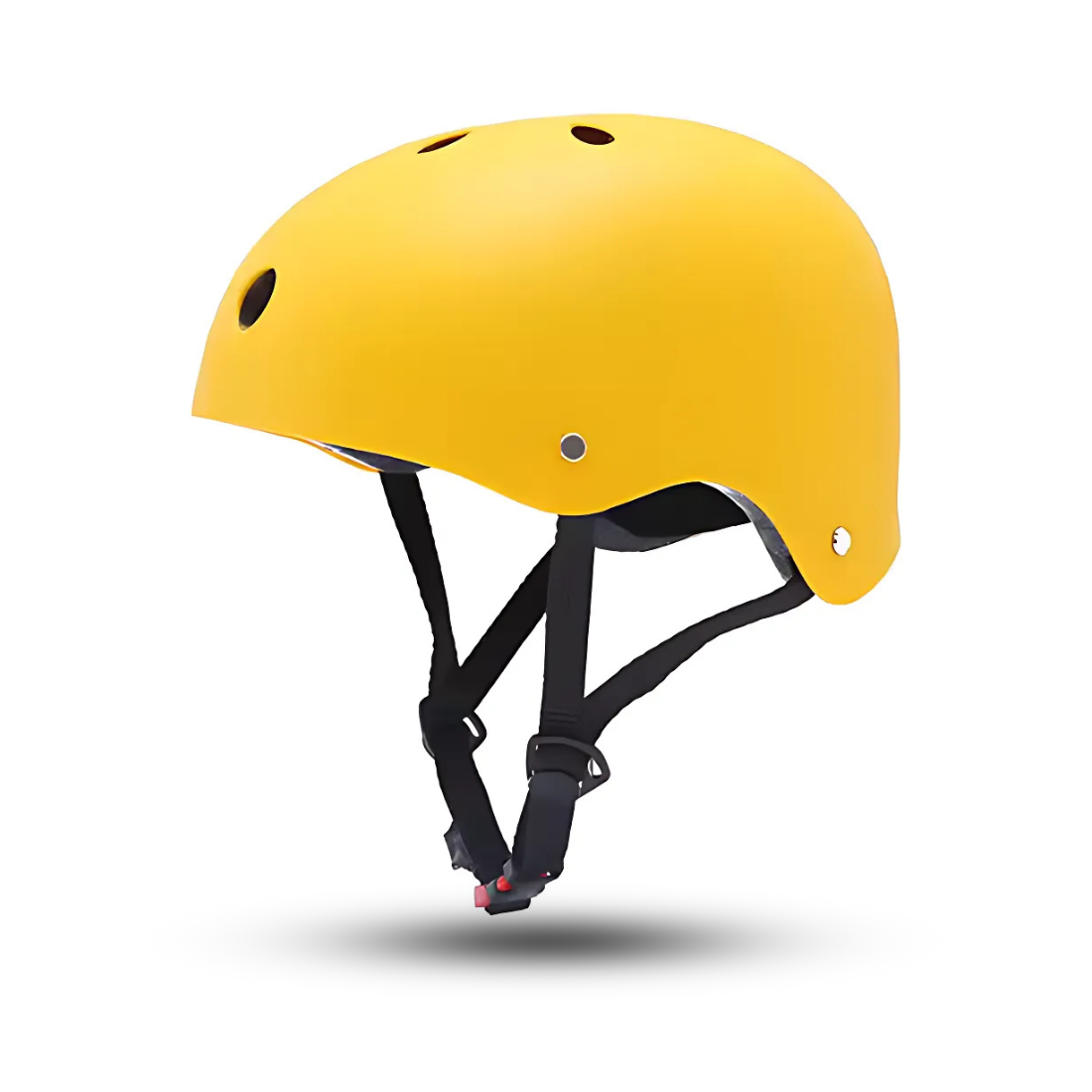
High-visibility colours — yellow, orange and bright pink make your child easier to spot by drivers, pedestrians and other riders. If your child rides near roads or in busy areas, a high-visibility colour is worth considering.
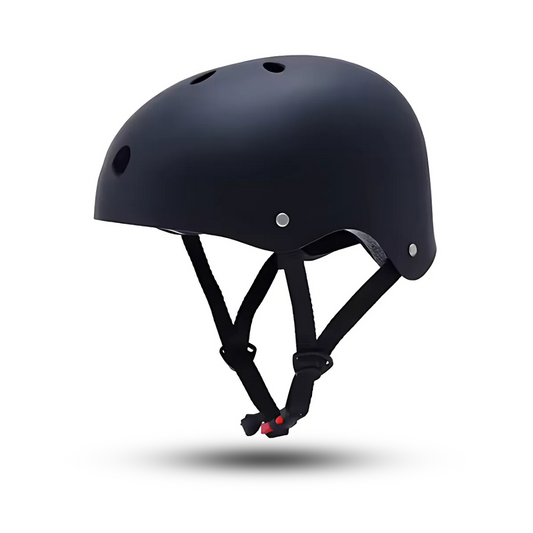
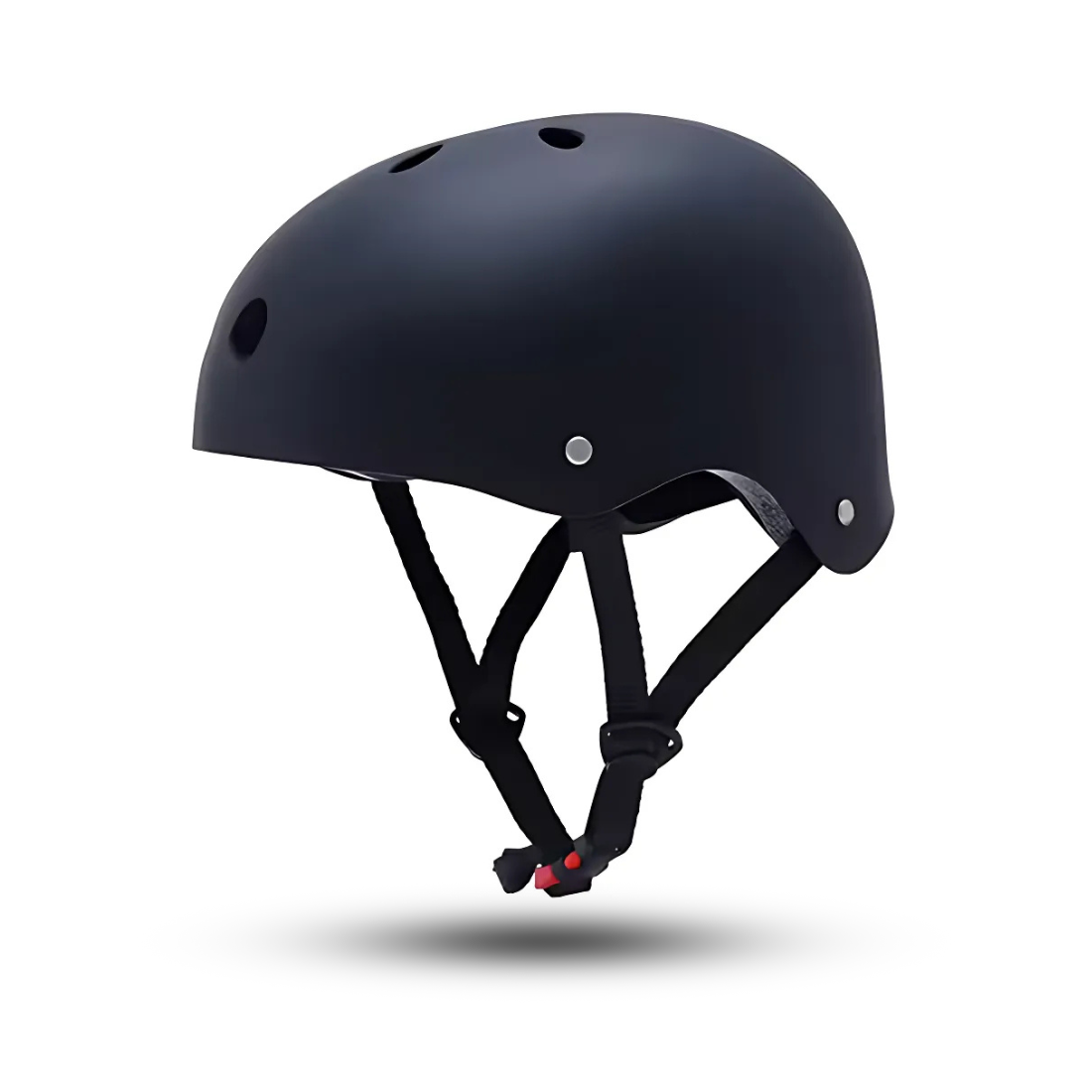
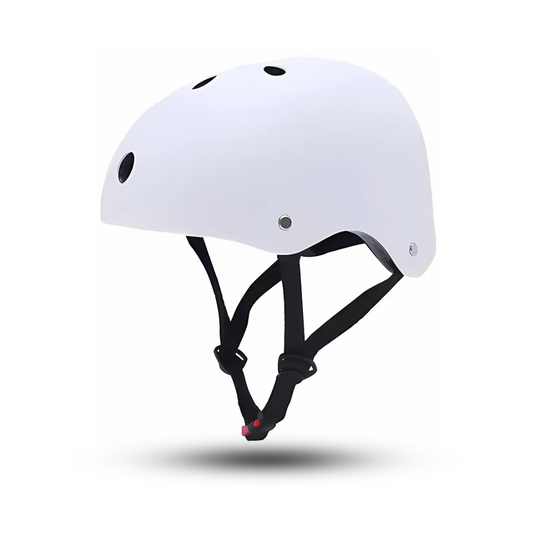
Classic colours — white, black and blue are versatile, match most riding gear, and tend to appeal to older kids who are developing their own sense of style.
Fun and individual colours — pink, purple and orange are consistently popular with younger kids who want their helmet to reflect their personality. A child who picked their own pink childs helmet or purple crash helmet is far more motivated to wear it.
Here's a breakdown of our most popular kids helmet colours:
- Pink — consistently our top seller for girls and young children. Available in kids sizes.
- Blue — the perennial favourite for boys, versatile and timeless.
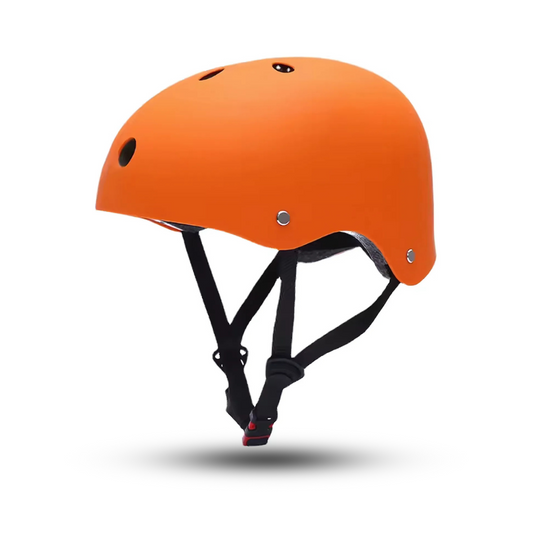
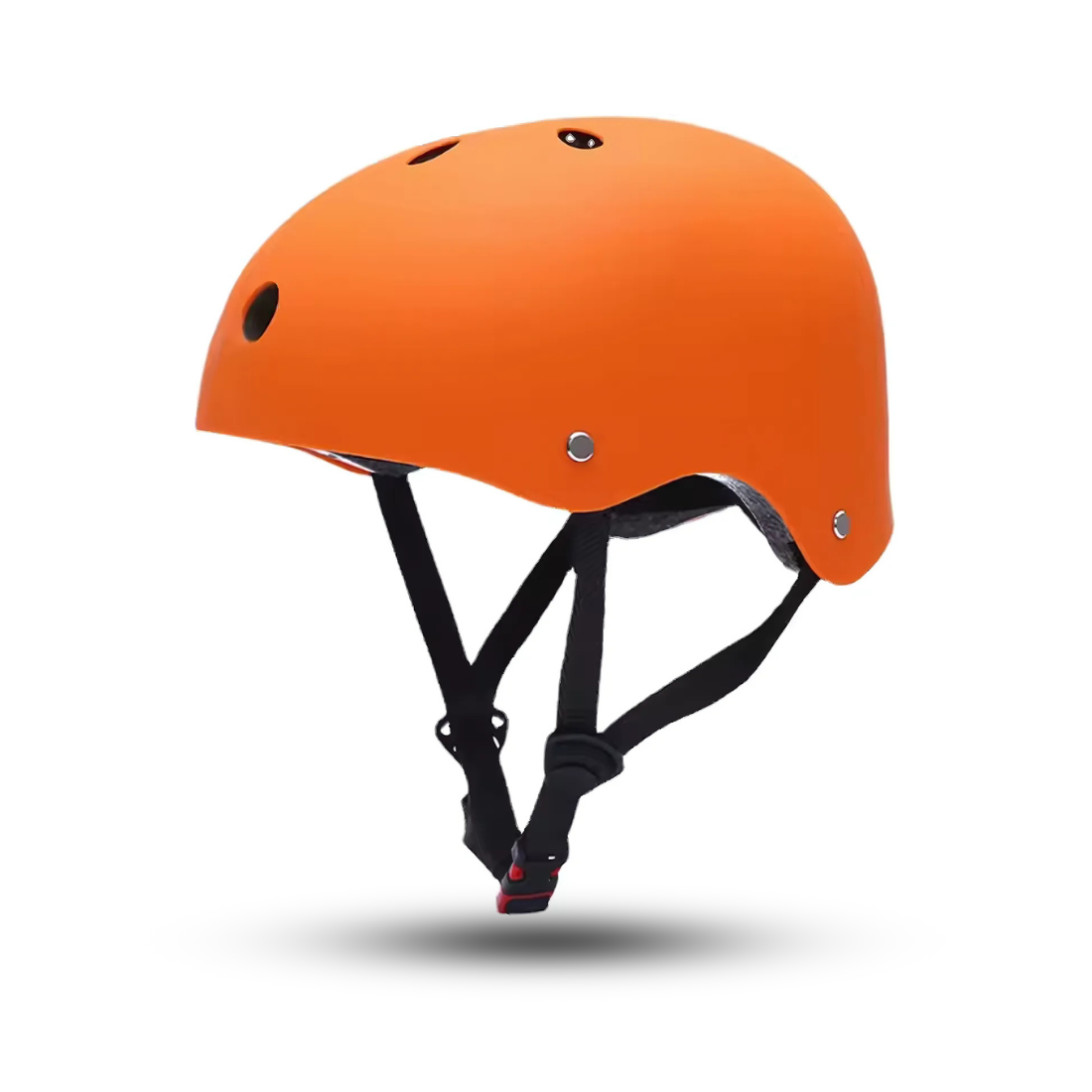
- Orange — high-visibility and fun. A great choice for active kids.
- White — clean and bright, easy to spot and goes with everything.
- Black — for older kids who want something a bit more grown-up.
- Purple — distinctive and popular with kids who want to stand out.
- Green — fresh, outdoorsy and high-visibility.
- Yellow — maximum visibility. The safest colour choice for riding near traffic.
8. When to Replace a Kids Helmet
Knowing when to replace a kids helmet is just as important as buying the right one in the first place.
After any significant impact — if your child has a fall serious enough to be concerned about, replace the helmet even if it looks fine. EPS foam compresses permanently on impact and loses its protective capacity. The damage is often invisible from the outside.
Every three to five years — EPS foam degrades over time through exposure to heat, sweat and UV light. A five-year-old helmet — even one that's never been dropped — is not as protective as a new one.
When the fit changes — kids grow. A helmet that fit perfectly last year may be too tight or too loose this year. Check the fit at the start of every riding season.
If the shell is cracked or the straps are frayed — visible damage to the shell or strap system is an immediate reason to replace.
9. Shop Kids Helmets at AHA Superstore
Our kids helmet range combines hardshell protection with adjustable fit systems and 8 colour options across 3 sizes — designed for toddlers through to older children and active across bike riding, skating, scooting and hoverboard use.
Kids Bike Helmets
Kids Skate Helmets
All Kids Helmets
Also worth reading: Helmet Safety Features and Colours: How to Choose the Right Helmet for Your Ride: our full guide covering bike, skate and LED helmets for kids and adults.
Note: Helmet certification requirements may vary by state and activity in Australia. Always ensure your child's helmet meets the required standard for their riding activity. Replace helmets after any significant impact and check the fit at the start of every new riding season.