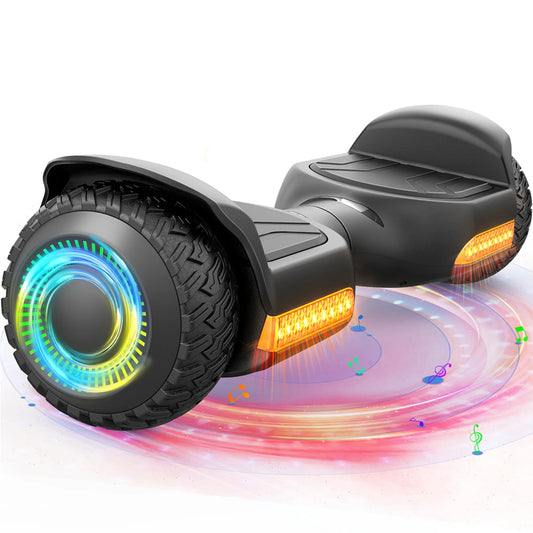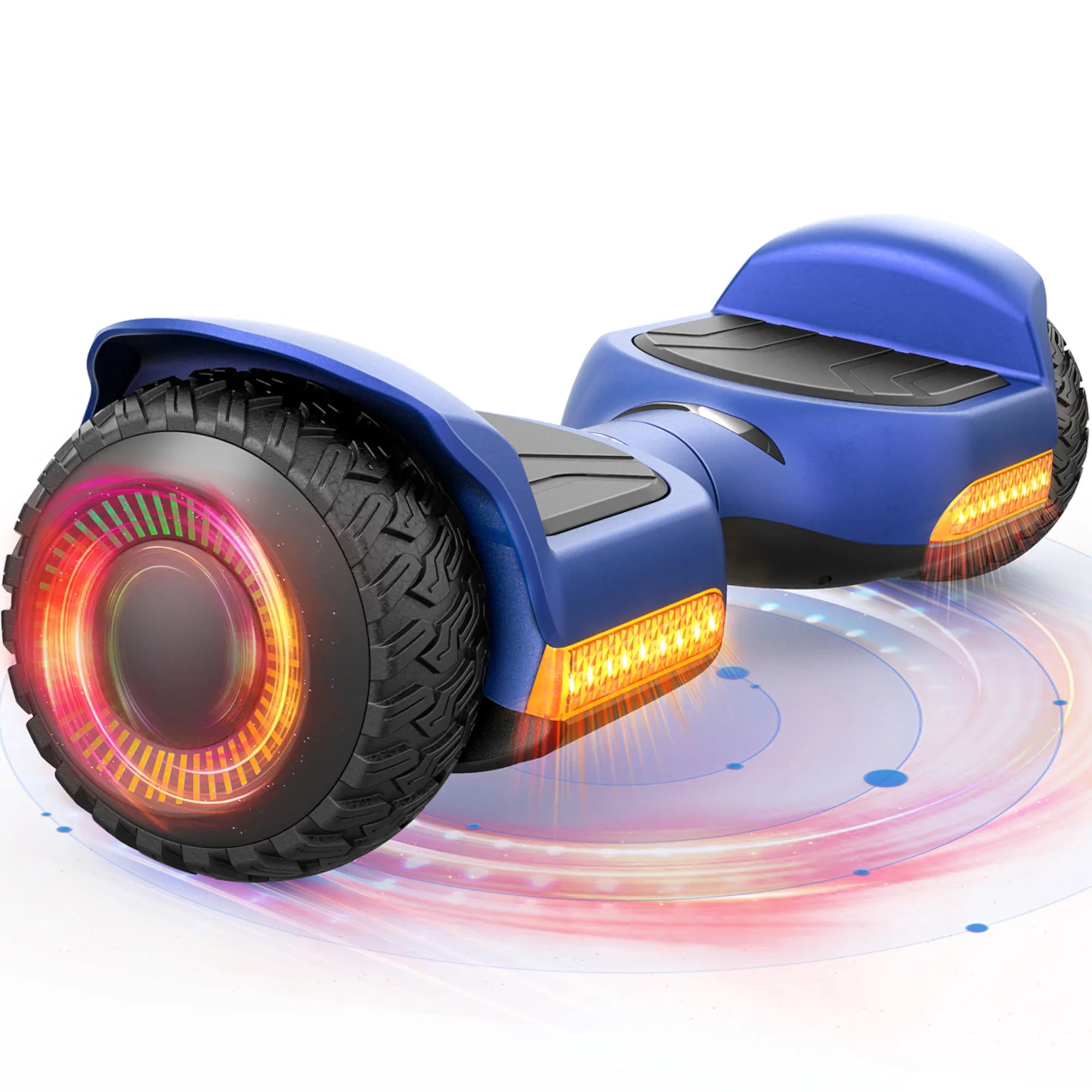

Hoverboards are fun, simple, and safe when you know how to use them. Many people feel nervous the first time they step on one. That is normal. The key is to stay calm and learn the basics.
In this guide, we show you how to ride a hoverboard safely. We cover how to start, how to balance, how to move, and how to step off without falling.
If you are new to hoverboards, this guide will help you build confidence fast.
Step 1: Overcome the Fear
The biggest challenge for beginners is not balance. It is fear.
When riders feel tense, their body stiffens. This makes the board wobble. The trick is to stay relaxed and trust the hoverboard.
Modern hoverboards use sensors and gyroscopes. These systems keep the board balanced while you ride.
Once you step on and stay relaxed, the board will respond to your movements.
Step 2: Turning the Hoverboard On
Before stepping on, place the hoverboard on a flat surface.
Press the power button and wait for the lights to stabilise. This tells you the board is ready.
Make sure the board is not tilted or moving before you step on.
Step 3: Step On and Understand Your Foot Control
The safest way to mount a hoverboard is simple.
Place one foot on the board first. Keep it flat and centred. Then bring the second foot onto the other pad.
Do not jump onto the board. Step on slowly.
Once both feet are on, stand still for a moment so the board can stabilise.
It is important to understand that your feet control the hoverboard. The sensors respond to pressure from your feet, not your upper body. Small movements with your feet create smooth movement.
Think of your feet as the control system of the hoverboard.
Step 4: Moving Forward and Backward
To move forward, gently lean your toes down.
The board will start rolling forward.
To move backward, press your heels down slightly.
This motion moves the board in reverse.
Do not lean your whole body. Keep your body relaxed and let your feet do the work.
Step 5: Finding the Balance Point
Once you try forward and backward movement, you will feel the centre balance point.
This is the neutral position where the board stays still.
Good riders learn to control this middle position. It allows smooth movement and quick stops.
Practice shifting slightly forward and back until you find the centre.
Step 6: Keep Your Body Relaxed
A relaxed body makes hoverboards easy to control.
If you tense your legs or shoulders, the board may wobble.
Stand naturally with your knees slightly bent. Let the board move under you.
Small adjustments keep you balanced.
Step 7: Getting Off Safely
Getting off the board is where many beginners make mistakes.
Never jump forward.
Instead, step backwards with one foot. Then bring the other foot off the board.
This keeps the hoverboard from rolling away.
Practice Builds Confidence
Most people learn to ride a hoverboard in less than ten minutes.
Start slow. Practice on flat ground. Ride in an open space with no obstacles.
Kids and adults both improve quickly once they understand how the board responds to their feet.
Hoverboards are simple machines. Once you learn the basics, riding becomes natural.
Choose a Safe and Reliable Hoverboard
Quality matters when it comes to hoverboards. Strong construction, stable sensors, and reliable motors all help riders stay safe.
If you want to explore high-quality options, you can browse the full range here.
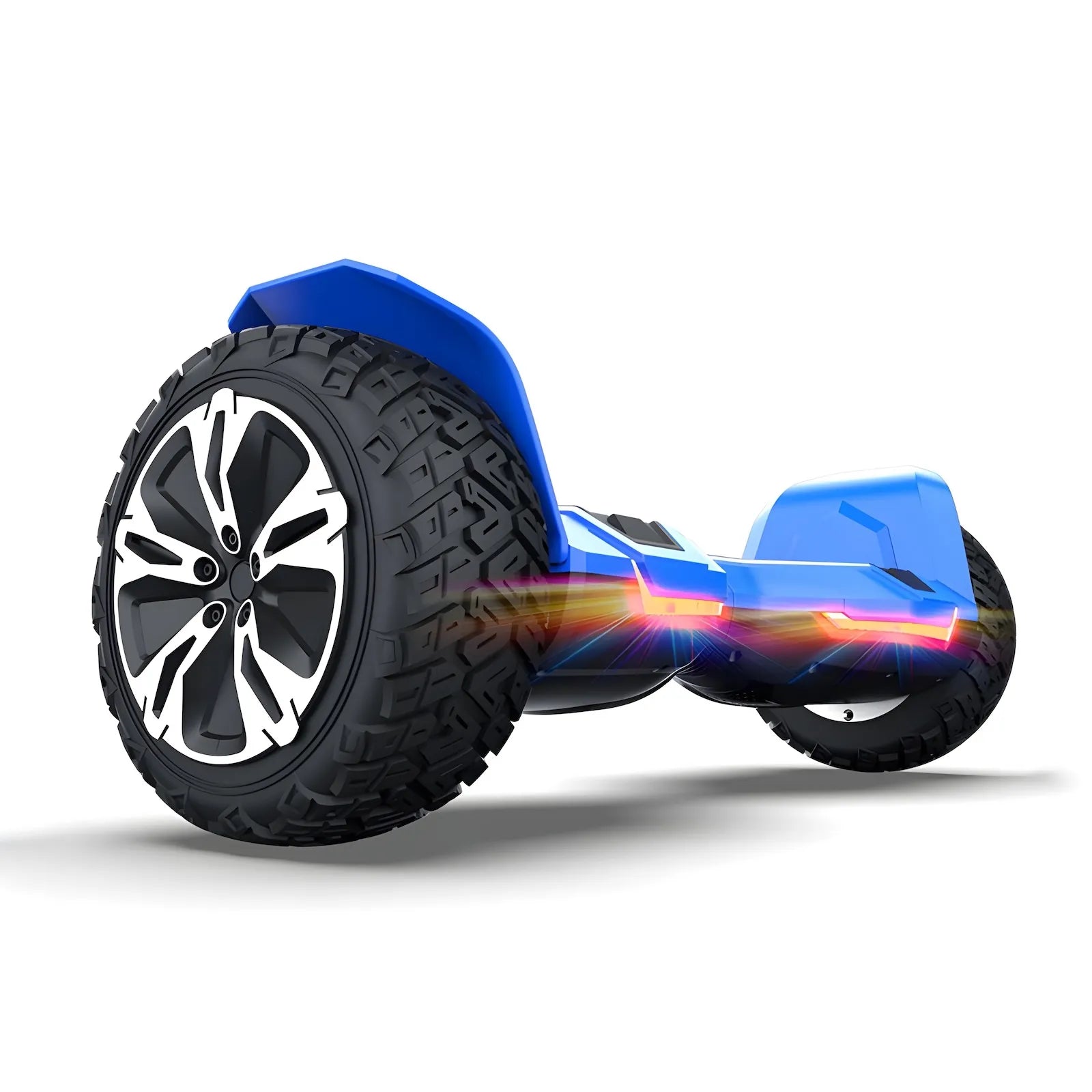
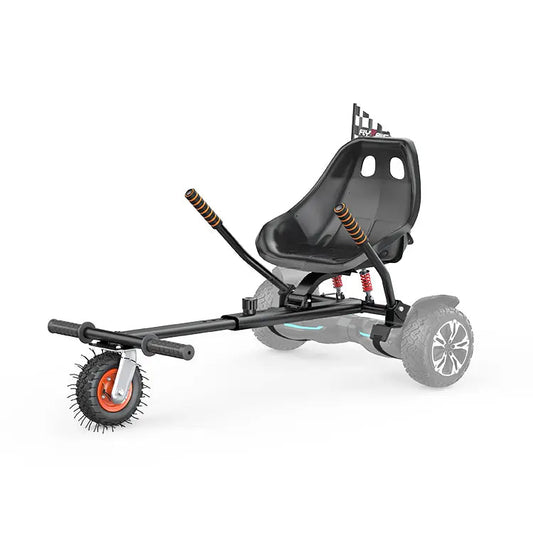
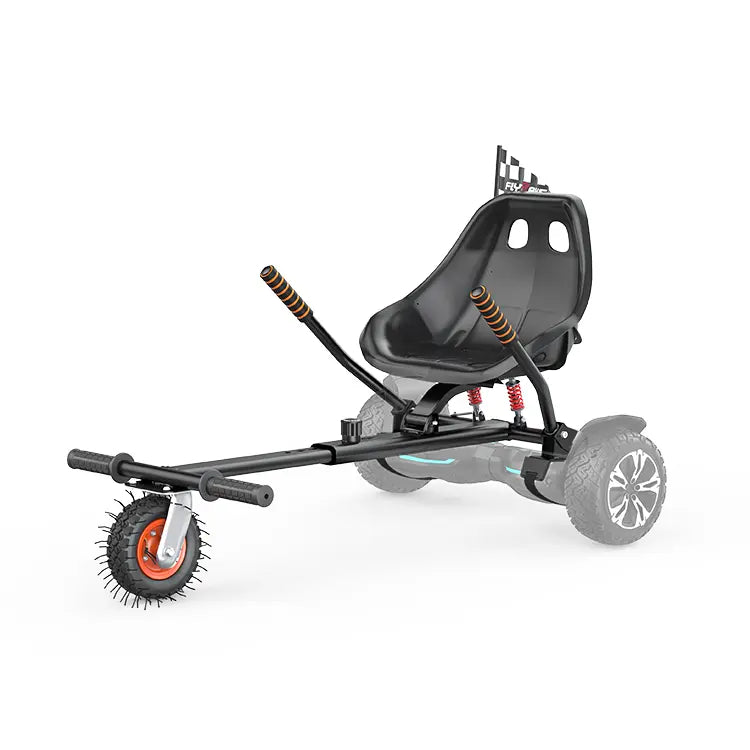
You will find models designed for beginners, families, and riders who want a tougher off-road hoverboard experience.
Start Riding the Right Way
Learning hoverboards should be fun, safe, and confidence-building.
Take your time. Stay relaxed. Let your feet guide the board.
Looking to show your family how to ride hoverboards properly? Come to Gyroor, where we prioritise a safe way to have fun. Contact us to start riding your hoverboards today.